Architectural Shingles vs Metal Roof: The Hard Truth About Lifespan
Focus Keyword: architectural shingles vs metal roof lifespan

Call for a free estimate:
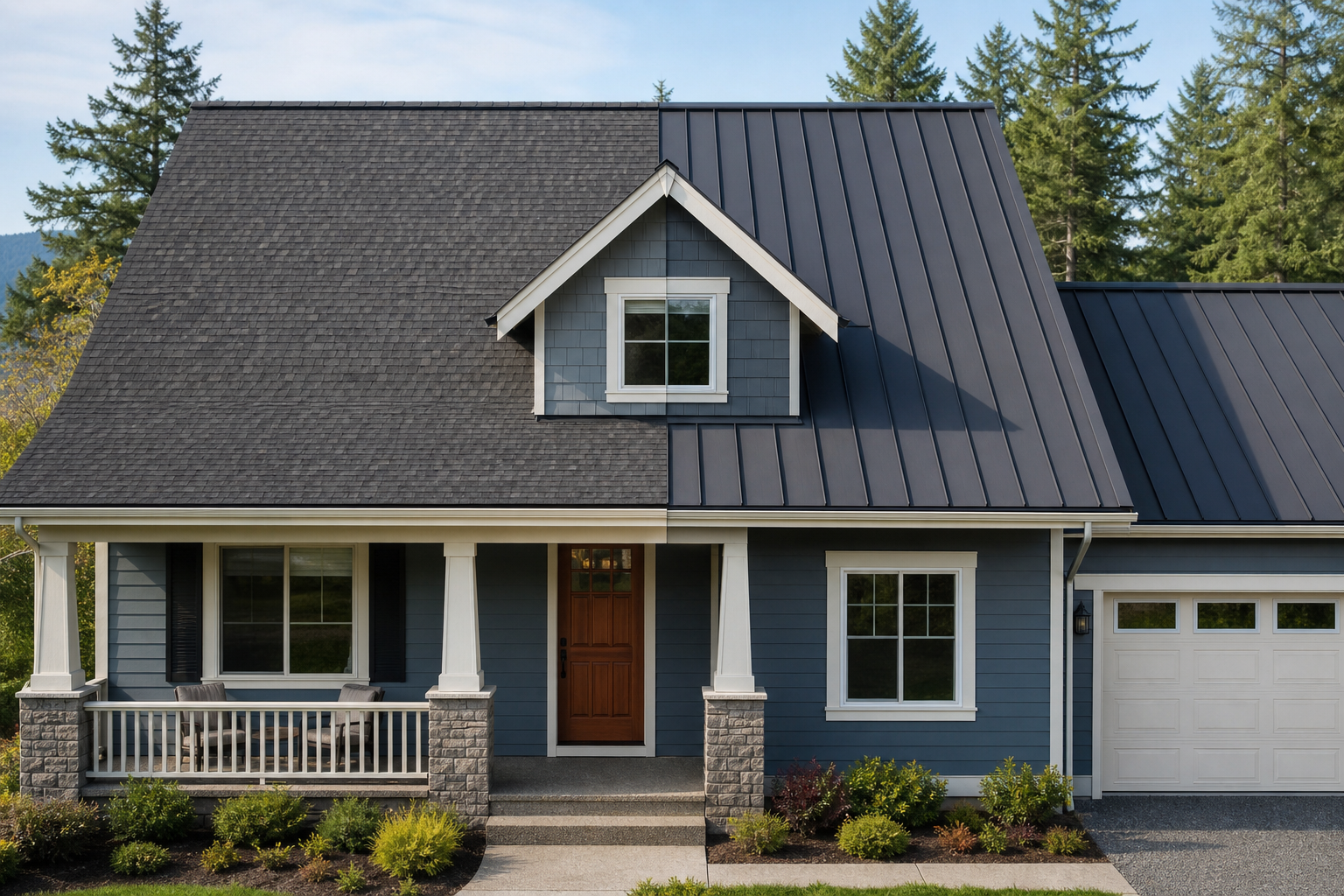
Shingles vs a metal roof lifespan is one of the most practical roofing comparisons a homeowner can make, because the longer-lasting option is not automatically the better buy for every house. The useful question is not just how many years each material can last. It is how the lifespan lines up with your budget, climate, insurance concerns, maintenance tolerance, and how long you expect to stay in the home.
Published manufacturer documents and trade association guidance point to a clear pattern. Architectural asphalt shingles are commonly sold with limited lifetime warranties, but their expected service life in real conditions is usually measured in decades rather than a lifetime. Metal roofing systems also carry long warranty terms, and industry guidance commonly places their service life above asphalt, especially when the system type, coating, and installation are right for the site.
If you are comparing bids right now, this is the part that matters most: a shorter-lived roof can still be the smarter choice if you plan to move sooner, while a longer-lived roof can make sense if you want fewer replacement cycles and are prepared for the higher upfront cost. For a broader side-by-side material overview, Abodence also covers roofing materials compared.
How long do architectural shingles usually last?
Roughly 25 to 30 years is the range many roofing contractors and manufacturers use for asphalt shingles in normal conditions, although actual service life can be shorter or longer depending on ventilation, climate, and installation quality. The Asphalt Roofing Manufacturers Association, or ARMA, describes laminated or architectural shingles as a premium asphalt shingle product, and major manufacturer literature such as CertainTeed, Landmark and GAF documentation presents limited lifetime warranty language rather than a fixed real-world lifespan promise.
That distinction matters because a warranty term is not the same as expected field life. A limited lifetime warranty usually applies to manufacturing defects under stated conditions and does not mean every roof will perform for the life of the home.
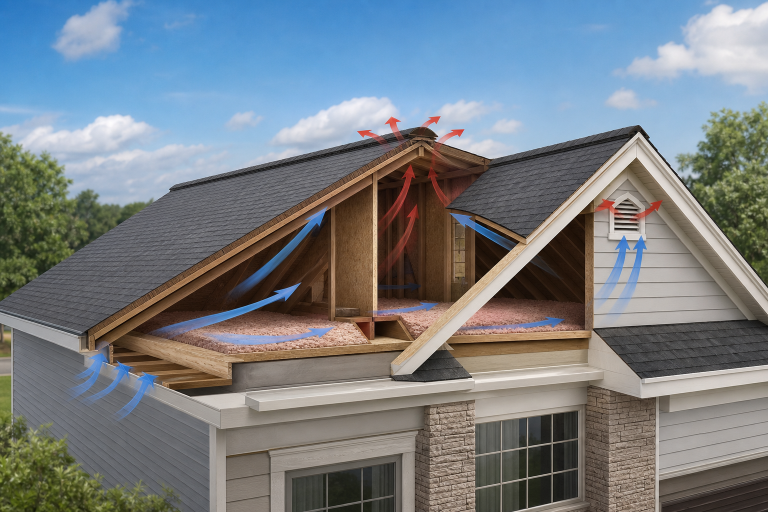
Architectural shingles generally outlast basic 3-tab shingles because they are thicker and built as laminated products. ARMA product guidance and manufacturer product pages consistently position them as a heavier, more durable asphalt option. Still, sunlight, storm exposure, attic heat, poor ventilation, and installation errors can shorten service life well before the warranty term ends.
What the warranty language actually tells you
Published warranty documents from GAF and CertainTeed show why homeowners should read the details. Often the warranty is prorated after an initial period, may require specific accessory products for enhanced coverage, and can exclude issues tied to improper installation or inadequate attic ventilation. If you want a plain-English breakdown of those terms, see Abodence on roof warranty terms explained.
In other words, the useful takeaway is this: an architectural shingle roof often delivers a few decades of service, but the paperwork should not be read as a guaranteed lifespan.
How long does a metal roof usually last?
According to the Metal Roofing Alliance, about 40 to 70 years is a common service-life range for residential metal roofing, depending on the metal type, panel profile, coating system, and local exposure conditions. That broad range exists because “metal roof” is not one product. Exposed-fastener panels, standing seam systems, aluminum coastal applications, and steel panels with different paint finishes do not age the same way. Manufacturer finish warranties and substrate warranties also vary by product line.
For example, Drexel Metals and McElroy Metal publish distinct warranty terms for painted metal roofing systems, including separate coverage concepts for finish performance, chalking, fading, and substrate integrity. Those documents support a practical point homeowners often miss: the panel may still be structurally serviceable after the finish warranty changes or expires, but appearance and corrosion resistance depend heavily on the exact system you buy.
Why the metal system type matters so much
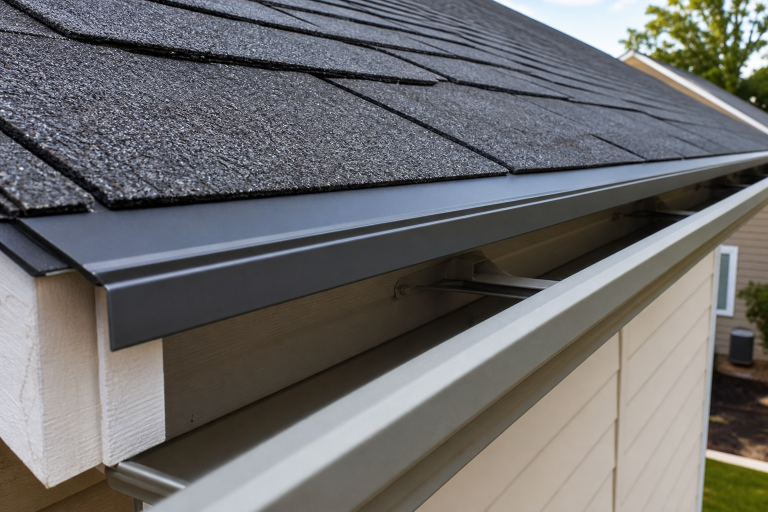
Standing seam systems typically use concealed fasteners, while many lower-cost agricultural-style panels use exposed fasteners. The Metal Construction Association’s technical materials explain that system design affects weather resistance, movement, and maintenance expectations. For a homeowner, that means two metal bids can have very different long-term value even if both are described simply as “metal roofing.”
A cheaper exposed-fastener roof may still be the right fit for a detached building or a budget-driven project. It is just not the same product category as a residential standing seam roof when lifespan expectations are discussed.
What shortens the lifespan of architectural shingles or metal roofing?
Heat, moisture, wind exposure, and installation quality are the main factors that shorten the service life of both materials, though they affect each system differently. According to the Federal Emergency Management Agency, roof covering performance in severe weather depends heavily on proper design, attachment, and detailing, not just the surface material.
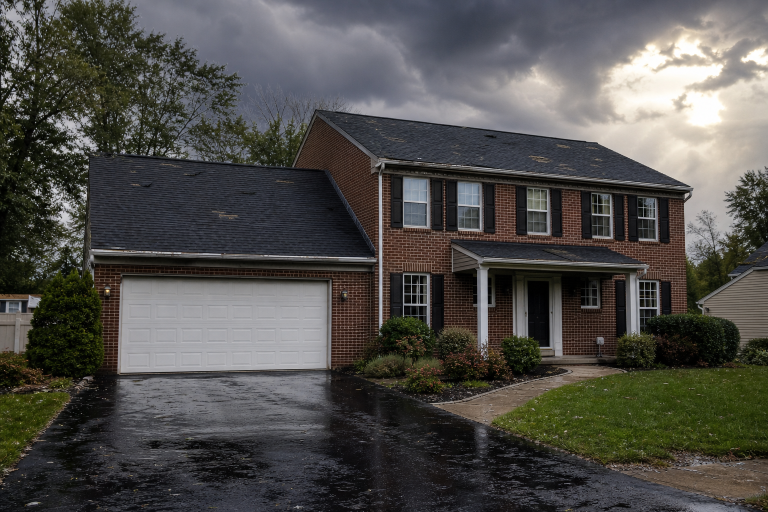
For architectural shingles, common life-shortening issues include under-driven or over-driven nails, poor attic ventilation, low-slope use where the product is not intended, and storm damage that removes granules or breaks the seal strips. ARMA and manufacturer installation instructions address these conditions directly.
For metal roofing, common failure points include incorrect fastener placement, poor flashing details, dissimilar-metal contact, cut-edge corrosion, and selecting the wrong panel system for the roof geometry or environment. The same manufacturer and trade documents make clear that coating system and substrate selection matter, especially in coastal or high-salt environments.
How do warranties compare between architectural shingles and metal roofs?
Architectural shingles often come with limited lifetime warranties, while residential metal roofing commonly carries finish and weathertightness or material warranties with terms that may run 20 to 50 years depending on the product. According to the Federal Trade Commission, a written warranty should be read for what it specifically covers, for how long, and under what exclusions or owner responsibilities.
For shingles, the important issues are usually prorating, wind coverage limits, algae coverage if offered, and whether the enhanced warranty requires a full accessory system and certified installer. GAF and CertainTeed documents are typical examples.
For metal, the important issues are often split across multiple documents. You may see one warranty for paint finish performance and another for the panel or weather-tight assembly, if offered. McElroy Metal and Drexel Metals documentation shows how these categories can differ.
How much more does a metal roof cost, and when is it worth it?
In 2024, asphalt shingle roofing typically falls around $4.50 to $12 per square foot installed, while metal roofing often runs about $7 to $30 per square foot installed, according to HomeAdvisor’s roofing cost guide. Those are broad marketplace ranges, but they capture the usual pricing gap homeowners see when comparing quotes.
Call for a free estimate:
Metal is often worth the extra cost when you expect to stay in the home long enough to benefit from a longer replacement cycle, when your climate is hard on asphalt, or when appearance and resale positioning matter to you. Architectural shingles are often the better value when the budget is tighter, when neighborhood norms favor asphalt, or when the house may be sold before the longer lifespan pays back in practical terms.
Which option makes more sense in different homeowner situations?
The better choice depends mostly on how long you plan to own the house, how exposed the roof is to severe weather, and how much upfront cost you can absorb without squeezing other needed repairs. A simple scenario-based comparison helps more than abstract product claims.
When architectural shingles are the better fit
Lower initial cost is the main reason asphalt remains so common, and that can be the correct decision if you need a dependable roof now without stretching the project budget. This option also makes sense when your local contractor market is much deeper for shingles than for residential metal systems, because installer quality matters as much as material quality.
- You plan to move within 7 to 15 years.
- You want lower upfront cost.
- Your neighborhood standard is asphalt, and resale does not strongly reward a premium roof.
- Your roof design is straightforward and well-suited to laminated shingles.
When a metal roof is the better fit
Long ownership horizons favor metal because the higher purchase price can be spread over many more years of service. It can also be a strong fit where wind, snow-shedding, or wildfire-resistance considerations are part of the decision, subject to the exact assembly and local code requirements.
- You expect to stay in the home for decades.
- You want the longest likely service life.
- You are comparing premium shingle bids that already narrow the price gap.
- Your installer can show a clear scope for the exact metal system being proposed.
What should you check in quotes before choosing either roof?
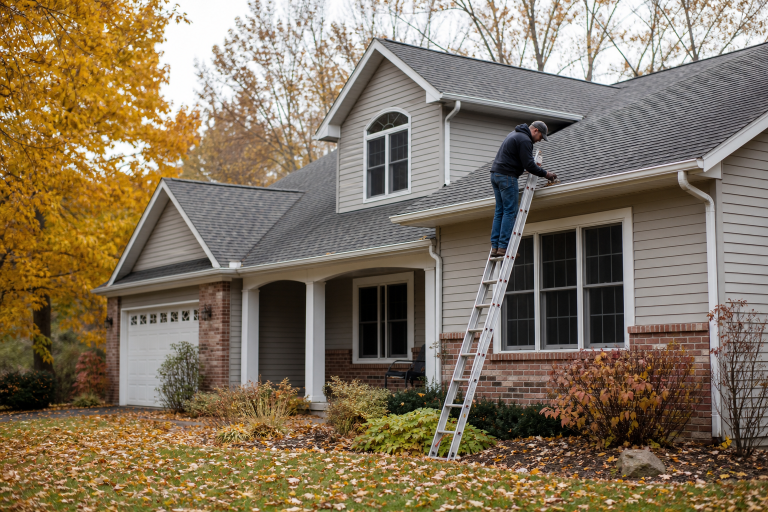
A useful roofing quote should identify the exact product, underlayment, flashing scope, ventilation work, and warranty terms, because vague line items make lifespan comparisons almost meaningless. This is where many homeowners get misled. Two quotes can both say “architectural shingles” or “metal roof” while describing very different assemblies.
Look for the manufacturer product name, not just the material category. Ask whether old flashing is being replaced, whether rotten decking is included or billed separately, and whether the warranty shown is the standard product warranty or an upgraded system warranty. If replacement timing is part of your planning, Abodence also covers roof replacement timeline.
- Exact product line and color
- Underlayment type
- Flashing replacement details
- Ventilation scope
- Fastener and panel type for metal systems
- Warranty document names, not just warranty years
- Deck repair terms and unit pricing
Clear scope protects you better than broad promises about durability.
FAQ
Do architectural shingles last 30 years?
Many architectural shingle roofs do reach around 25 to 30 years, but that is not guaranteed by a limited lifetime warranty. ARMA guidance and manufacturer documents support the idea that actual service life depends heavily on climate, ventilation, and installation quality.
Can a metal roof really last 50 years?
Yes, many metal roofs are marketed and documented within a 40 to 70 year lifespan range, especially for well-specified residential systems. The Metal Roofing Alliance uses that range, but the exact result depends on panel type, coating, environment, and workmanship.
Is a metal roof always better than architectural shingles?
No, the longer-lived option is not always the better purchase for your situation. If you need lower upfront cost or expect to move before the lifespan advantage matters, architectural shingles can be the smarter choice.
Do warranties tell you how long the roof will last?
Not exactly, because a warranty describes covered defects and conditions rather than guaranteed real-world service life. The FTC’s warranty guidance is useful here, and roofing manufacturer documents make the same point through exclusions and prorating terms.
Which roof adds more value to a home?
Resale value depends on your market, the home’s price point, and buyer expectations, so there is no universal answer. A newer architectural shingle roof can be fully adequate in many neighborhoods, while a metal roof may appeal more where durability and premium materials carry visible buyer value.
If you are weighing bids and want help sorting lifespan claims from actual scope, getting a written roof assessment and quote comparison is the practical next step. Please call a listed specialist for a free, no-obligation discussion.
Sources: Asphalt Roofing Manufacturers Association, CertainTeed Landmark product and warranty documents, GAF Timberline product and warranty documents, Metal Roofing Alliance, Metal Construction Association, Drexel Metals warranty documents, McElroy Metal warranty documents, HomeAdvisor roofing cost guide