How to Prevent Costly HVAC Blower Motor Problems: Essential Tips for Homeowners
Your HVAC system is the heart of home comfort, and its blower motor is crucial for distributing heated or cooled air throughout your living spaces. When the blower motor fails, you’re left with uneven temperatures, poor air quality, and potentially expensive repairs. Understanding how to prevent HVAC blower motor issues can save you time, money, and stress while ensuring year-round comfort for your household.

Understanding the Role of the HVAC Blower Motor
The blower motor is responsible for pushing air through your HVAC system’s ducts and into different rooms. Without a properly functioning blower motor, even the most advanced heating and cooling systems won’t perform effectively. Several factors can threaten the health of your blower motor, but with the right precautions, many issues can be avoided.
Common Causes of Blower Motor Problems
- Dirt and Debris Accumulation: Dust, pet hair, and debris can clog the blower motor and restrict airflow.
- Lack of Lubrication: Over time, moving parts may lose lubrication, leading to friction and overheating.
- Electrical Issues: Faulty wiring, blown fuses, or worn capacitors can cause the motor to malfunction.
- Improper Sizing: Using a blower motor that’s too small or too large for your HVAC system can cause inefficiency and strain.
- Neglected Maintenance: Skipping regular inspections and tune-ups allows minor issues to develop into major failures.
Essential Strategies to Prevent Blower Motor Issues
Taking proactive steps is the best way to extend the life of your blower motor and keep your HVAC system running efficiently. Let’s explore the most effective maintenance and prevention strategies.
1. Replace Air Filters Regularly
Clogged air filters are a leading cause of blower motor problems. A dirty filter restricts airflow, forcing the blower to work harder and increasing wear and tear. Replace standard filters every 1-3 months, or more often if you have pets or allergies. Upgrading to a high-efficiency filter can also help trap smaller particles and protect the motor.
2. Schedule Professional HVAC Maintenance
Annual or bi-annual maintenance by a certified HVAC technician is critical. During these visits, technicians clean internal components, lubricate moving parts, inspect electrical connections, and test the blower motor’s performance. Preventive maintenance can catch small issues before they become big, costly problems.
3. Keep Vents and Registers Clean and Unobstructed
Blocked vents restrict airflow and cause the blower motor to work overtime. Regularly vacuum and dust vents and make sure furniture or drapes don’t cover registers. This ensures even air distribution and reduces strain on the blower motor.
4. Monitor for Unusual Noises or Odors
Grinding, squealing, or rattling sounds coming from your HVAC system may indicate blower motor distress. Similarly, burning odors can signal overheating or electrical issues. Address these symptoms promptly—delaying repairs can lead to motor failure.
5. Maintain Proper Humidity Levels
High humidity can cause moisture buildup within the HVAC system, leading to rust and electrical short circuits. Use a dehumidifier if necessary and ensure your home’s humidity stays between 30% and 50%.
Best Practices for Long-Term Blower Motor Health
Choose the Right Blower Motor for Your System
If you’re replacing your blower motor, make sure it matches your system’s specifications. An incorrect motor size or speed can lead to inefficiency and premature breakdowns. Always consult your HVAC professional for recommendations.
Upgrade to Variable-Speed Motors
Variable-speed blower motors adjust their output to match your home’s heating and cooling needs. This not only improves comfort and energy efficiency but also reduces wear on the motor compared to single-speed models.
Keep the Outdoor Unit Clean
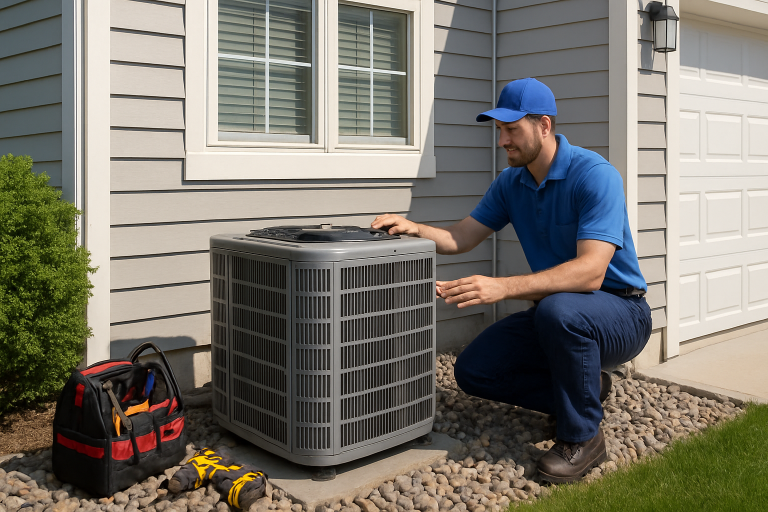
Though the blower motor is located indoors, a dirty outdoor condenser can cause the entire system to work harder. Remove leaves, dirt, and debris from the outdoor unit and maintain at least two feet of clearance around it.
Inspect and Seal Ductwork
Leaky ducts force the blower motor to compensate for lost air, increasing its workload. Inspect your ductwork for visible gaps and have them sealed by a professional to ensure efficient air delivery.
What to Do If You Suspect Blower Motor Trouble
If you notice weak airflow, odd noises, or inconsistent temperatures, act quickly. Turn off your HVAC system to prevent further damage, and contact a qualified technician for diagnosis and repairs. Early intervention can often save the blower motor and prevent more extensive and expensive repairs.
Practical Examples: Preventing Real-World Blower Motor Failures
- Case 1: A homeowner neglected to replace air filters for several months. Dust buildup led to overheating and eventual blower motor burnout, resulting in a costly replacement bill. This could have been prevented with a simple filter change schedule.
- Case 2: Another homeowner noticed a high-pitched squeal but ignored it. The noise was due to worn bearings in the blower motor. Early attention would have allowed for a quick fix, but waiting led to a full motor replacement.
- Case 3: A family with pets scheduled regular HVAC maintenance. Their technician caught a frayed wire before it caused a short circuit, saving the blower motor from electrical damage.
Conclusion
Preventing HVAC blower motor issues is all about proactive care. By regularly replacing air filters, scheduling routine inspections, keeping vents clear, and addressing warning signs promptly, you can ensure reliable operation and avoid expensive breakdowns. Investing in the right equipment and professional maintenance pays off in comfort, efficiency, and peace of mind. Take these essential steps, and your blower motor—and your home—will thank you for years to come.