Proven Strategies to Prevent and Address HVAC Refrigerant Leaks Effectively
HVAC systems are essential for maintaining comfortable and healthy indoor environments in homes and commercial spaces. One of the most persistent challenges faced by HVAC professionals and property owners alike is refrigerant leaks. These leaks not only compromise system performance but also pose environmental and safety risks. Understanding the best practices for preventing, detecting, and addressing HVAC refrigerant leaks is crucial for safeguarding your investment and the environment.

Understanding Refrigerant Leaks: Causes and Consequences
Refrigerant is a vital component responsible for heat transfer in air conditioning and refrigeration systems. When leaks occur, the system’s ability to cool or heat efficiently diminishes, often leading to higher energy bills, costly repairs, or complete system failure. But what causes these leaks, and why are they so problematic?
Common Causes of Refrigerant Leaks
- Corrosion: Over time, copper coils can corrode, especially in humid or coastal environments, leading to pinhole leaks.
- Vibration and Wear: Mechanical vibrations and movement can loosen fittings or cause wear on flexible lines.
- Poor Installation: Incorrectly installed joints or connections often become weak points where leaks develop.
- Factory Defects: Rarely, manufacturing defects can result in tiny fractures or weak spots in the refrigerant lines.
The Impact of Leaks
- Reduced Efficiency: Loss of refrigerant leads to longer run times and decreased cooling or heating performance.
- Compressor Damage: Without adequate refrigerant, the compressor may overheat and fail.
- Environmental Harm: Many refrigerants are greenhouse gases. Leaks contribute to ozone depletion and global warming.
- Health Hazards: Large leaks can displace oxygen in confined spaces, posing risks to occupants.
Preventing Refrigerant Leaks: Proactive Maintenance
Preventing leaks is far more cost-effective than repairing them. Regular maintenance and a proactive approach ensure the longevity and efficiency of your HVAC system.
Routine Inspections
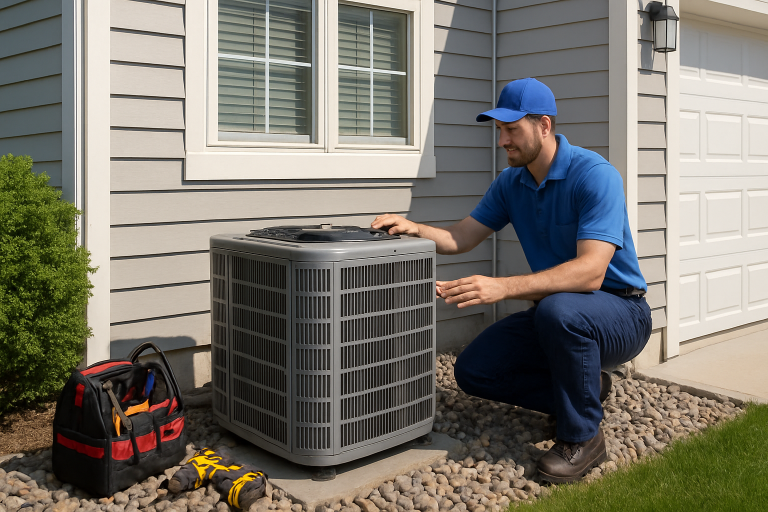
- Schedule biannual or annual system inspections with a licensed HVAC professional.
- Check for signs of oil stains around connections, which often indicate leaks.
- Inspect insulation and support brackets to minimize vibration-related wear.
Quality Installation Practices
- Always hire certified technicians when installing or servicing HVAC equipment.
- Ensure all connections are properly brazed, torqued, and leak-tested.
- Use high-quality materials and components designed for your specific application.
Protective Measures
- Apply anti-corrosion coatings to coils in high-humidity or seaside environments.
- Install vibration isolators and secure piping to reduce mechanical stress.
- Maintain proper airflow around outdoor units to prevent moisture accumulation and corrosion.
Detecting Refrigerant Leaks: Tools and Techniques
Early detection is key to minimizing damage and repair costs. Modern technology offers several effective methods for locating refrigerant leaks.
Electronic Leak Detectors
- Use advanced sensors to detect refrigerant molecules in the air.
- Highly sensitive and capable of identifying even minute leaks.
- Essential for pinpointing leaks in hard-to-reach or concealed areas.
Ultraviolet Dye Testing
- Inject a UV-reactive dye into the refrigerant system.
- Leaks become visible under ultraviolet light, allowing for precise visual identification.
- Best used for systems with persistent or difficult-to-find leaks.
Soap Bubble Solution
- A simple, cost-effective method.
- Apply the solution to suspected leak points; bubbles form where refrigerant escapes.
- Ideal for smaller systems or preliminary testing.
Addressing Refrigerant Leaks: Effective Repair Strategies
Once a leak is detected, prompt and effective repair is essential. The repair method depends on the leak’s location, size, and the system’s overall condition.
Patching and Brazing
- Small leaks in accessible copper lines can be repaired by brazing or soldering.
- Thoroughly clean the area and ensure proper sealing to prevent future leaks.
Component Replacement
- For leaks in coils, compressors, or inaccessible areas, replacing the affected part is often necessary.
- Always use OEM (Original Equipment Manufacturer) parts for compatibility and warranty protection.
System Recharge and Testing
- After repairs, evacuate the system to remove moisture and air.
- Recharge with the correct type and amount of refrigerant as specified by the manufacturer.
- Pressure test and monitor the system post-repair to ensure no further leaks are present.
Environmental Considerations and Compliance
Proper refrigerant handling is not just a best practice—it’s a regulatory requirement. The Environmental Protection Agency (EPA) and other authorities have established strict guidelines for the management, recovery, and disposal of HVAC refrigerants.
EPA Section 608 Regulations
- Only certified technicians are authorized to handle refrigerants.
- Technicians must use recovery equipment and avoid venting refrigerants into the atmosphere.
- Detailed record-keeping and reporting are required for large systems and commercial operators.
Transition to Eco-Friendly Refrigerants
- Many older systems use R-22 (Freon), a refrigerant now phased out due to its high ozone depletion potential.
- Modern systems use environmentally friendly alternatives like R-410A or R-32, which have lower global warming potential.
- When upgrading or repairing, consider transitioning to newer refrigerants for compliance and efficiency.
Practical Examples: How Professionals Prevent and Handle Leaks
To illustrate the importance of best practices, consider the following real-world scenarios:
Example 1: Preventive Maintenance in a Coastal Hotel
A hotel on the Florida coast experienced frequent refrigerant leaks due to salt air corrosion. By implementing quarterly coil inspections, applying anti-corrosion treatments, and upgrading to coated coils, the maintenance team reduced leaks by over 70% in two years.
Example 2: Leak Detection in a Commercial Office Building
After tenants reported inconsistent cooling, HVAC technicians used electronic leak detectors to pinpoint a hidden leak in the rooftop unit. Prompt repair and a system recharge improved comfort and reduced energy costs by 15%.
Example 3: Compliance and System Upgrade in a Retail Store
A retail store’s legacy system using R-22 developed a major leak. Rather than repairing and recharging with a banned refrigerant, the owners opted to upgrade to an R-410A system, ensuring compliance and long-term savings.
Conclusion: Ensuring a Leak-Free, Efficient HVAC System
Refrigerant leaks are a common—but preventable—challenge in HVAC maintenance. By understanding the causes, investing in regular inspections, using advanced detection techniques, and adhering to regulatory guidelines, property owners and technicians can protect system performance, reduce costs, and support environmental sustainability. Whether you manage a single-family home or a large commercial property, proactive refrigerant management is essential for comfort, safety, and peace of mind.