Roof Replacement Timeline: Smart Steps for a Stress-Free Project
Replacement timeline questions usually come down to one thing: how long your home will be exposed to noise, crews, and weather risk. For most homes, the on-roof portion often takes one to several days, but the full process includes inspection, estimate review, scheduling, material delivery, tear-off, installation, cleanup, and final paperwork. The exact pace depends most on roof size, roof complexity, weather, and whether hidden deck damage turns up after old shingles come off.

Call for a free estimate:
A clear timeline helps you compare quotes more accurately and spot vague promises before you sign. It also keeps a fast job from sounding automatically better than a careful, detailed one. In roofing, speed only helps if the scope, ventilation details, flashing work, and warranty requirements are handled correctly.
How long does a roof replacement usually take?
Many asphalt shingle projects are completed in one to three days on the roof, while more complex homes or weather-interrupted jobs can take longer. The National Roofing Contractors Association, in its homeowner guidance, explains that project length varies by the type of roof system, building size, accessibility, and weather conditions. That is why a contractor who promises a fixed timeline before seeing the roof in person is giving you less certainty, not more.
The full process usually stretches beyond the installation days themselves. You may spend several days gathering estimates, another week or more reviewing scope and contract terms, and additional time waiting for the scheduled start date. During busy seasons after storms, the backlog can be much longer.
Material choice also affects timing. Asphalt shingles are generally faster to install than tile, slate, or some metal systems because the pieces are lighter and the detailing is less time-intensive. If you are still comparing products, Abodence has a deeper breakdown in roofing materials compared.
What happens before installation day?
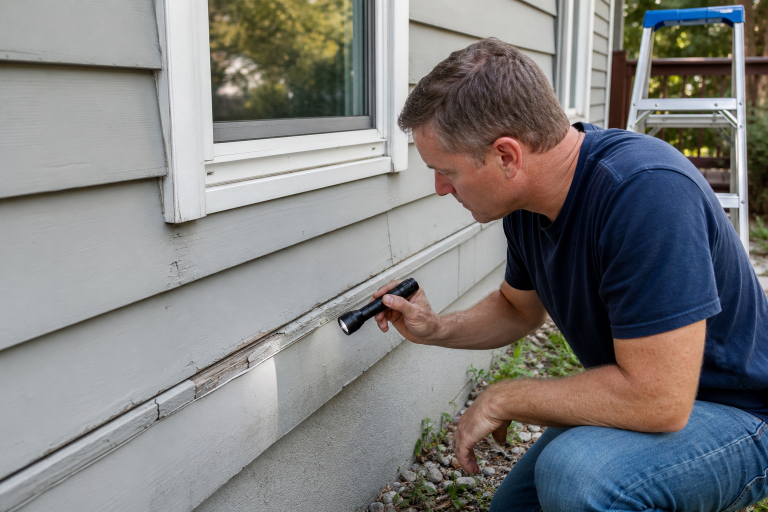
The pre-job phase usually takes longer than homeowners expect because this is where scope, pricing, and scheduling get sorted out. A contractor should inspect the roof, measure the surface, note penetrations such as vents and chimneys, check access around the house, and identify visible signs of decking or flashing issues.
Next comes the written estimate. A useful quote should identify the roofing material, underlayment, flashing scope, ventilation components if included, cleanup terms, permit responsibility if required locally, and warranty language. Vague one-page estimates often create the biggest timeline problems because key items get decided only after tear-off starts.
Permits are not universal, but some jurisdictions require them. According to the International Residential Code, reroofing work is governed by code provisions that local building departments adopt and enforce in their own way, including permit and inspection rules. The practical takeaway is simple: ask who pulls the permit, if one is required, and whether inspections could affect the schedule.
What is the day-by-day roof replacement timeline?
Most standard projects follow a predictable sequence even when the exact number of days changes. Knowing that sequence makes it easier to judge whether a quote is detailed or just optimistic.
Day 1: Site setup and tear-off
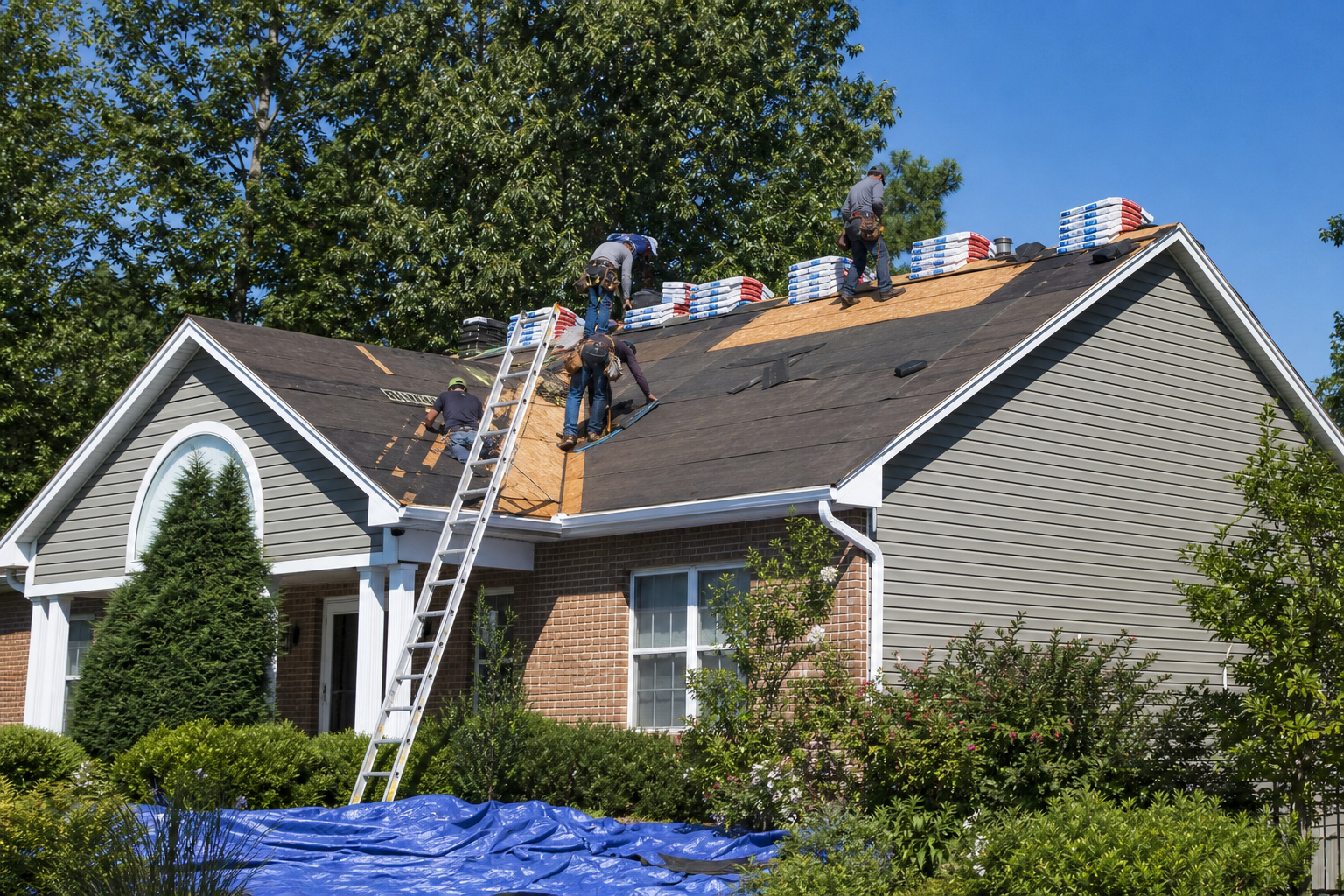
The first day usually starts with driveway staging, debris allocation, and removal of the old roofing. Crews may place tarps, protect landscaping, move materials into position, and begin stripping shingles or other roof coverings down to the deck.
Once the old roof is off, the crew can inspect the wood deck directly. If damaged sheathing is found, that repair changes both cost and timing. APA, The Engineered Wood Association, publishes guidance showing that roof sheathing must provide a sound nailing base for the roofing system. If the deck is soft, rotted, or structurally compromised, covering it over is not a proper procedure and risks future problems.
Day 2: Repairs, underlayment, and flashing
The second phase often includes deck repairs, drip edge work where specified, underlayment installation, and flashing details around walls, valleys, chimneys, and penetrations. These details are not cosmetic extras. They are part of how the roof sheds water at the most failure-prone transitions.
Manufacturer instructions matter here. GAF, in its shingle application instructions, and CertainTeed, in its installation manuals, both require installation methods and accessory use that affect warranty eligibility. If a quote doesn’t include flashing replacement or underlayment type, ask for that language to be added before work begins.
Day 3: Shingles, ridge details, and cleanup
The final install day often covers shingle installation and ventilation components, magnetic nail sweep, and debris haul-away. Owens Corning documentation states that warranty coverage depends on proper installation and use of qualifying components, which is one reason final-day shortcuts can cost more later than a slow but complete finish.
What can delay a roof replacement?
Weather is the most common delay, but it is far from the only one. Rain, high winds, and extreme cold or heat can interrupt installation because crews need dry conditions for safe footing and proper material handling. Local forecasts shape scheduling more than homeowners sometimes realize.
Hidden deck damage is another major cause. Until tear-off is complete, no one can fully confirm the condition of the substrate beneath the old roof. A contractor can suspect soft spots from the attic or surface feel, but replacement quantities for sheathing often remain allowances until the deck is exposed. Material availability can also push the schedule. Specialty shingles, matching accessories, and custom-formed metal trim may not be stocked locally.
Then there are administrative delays. Insurance approval, permit processing, HOA review, and slow contract revisions can hold a project up before the first shingle is touched. Those delays do not make the roofer unreliable by themselves, but they should be explained clearly in writing.
How should you prepare your home before the crew arrives?
Small prep steps make the job safer and less disruptive for both you and the crew. The contractor should tell you what they need, but the usual preparations are straightforward.
- Move cars out of the driveway and away from material drop zones.
- Take down fragile wall items or shelf decor, because tear-off vibration can travel through framing.
- Cover items in the attic if dust may fall through gaps in older roof decks.
- Keep children and pets away from work areas and debris zones.
- Determine where dumpsters, trailers, or material pallets will be placed.
- Confirm power access if the crew needs exterior outlets.
If overhanging tree limbs are touching the roof, ask whether trimming is needed before the start date. That can be faster and cheaper to handle ahead of time than after materials are delivered and teams are in place.
Call for a free estimate:
How much should a roof replacement cost while you plan the timeline?
As of the 2024 Remodeling Cost vs. Value Report, the national average cost for an asphalt shingle roof replacement was about $30,680, while a metal roof replacement averaged about $49,928. Those are national averages rather than quote guarantees, and your actual price can land lower or higher depending on region, roof size, tear-off layers, access, and repair scope.
For labor context, the U.S. Bureau of Labor Statistics reported a 2024 mean annual wage for roofers, but labor wage data alone does not predict a project total because roofing quotes also include materials, disposal, overhead, and risk. The more useful planning point is that hidden repairs and complex detailing change costs faster than small differences in shingle brand.
If one estimate is dramatically lower, check the scope before assuming you found a better deal. Missing flashing replacement, omitted underlayment details, or unclear disposal terms often show up later as change orders. A slower, fully scoped quote is usually more reliable than a bargain number built on assumptions.
How do you compare quotes without getting lost in roofing jargon?
The easiest way to compare bids is to line up the scope side by side and look for missing items. You do not need to master every roofing term. You need to see whether each contractor is pricing the same job.
- Roofing material brand and product line
- Underlayment type
- Flashing replacement or reuse language
- Deck repair pricing method
- Ventilation components included or excluded
- Tear-off layers and disposal terms
- Permit responsibility
- Workmanship warranty terms
- Manufacturer warranty eligibility requirements
- Estimated start window and expected installation duration
Ask for revisions in writing if a quote leaves any of those items vague. Verbal promises are hard to compare and even harder to enforce.
What should happen after the roof replacement is finished?
The final stage should include cleanup, a walk-through, and closeout documents you can keep with your home records. At minimum, you should know whether any decking was replaced, whether permit inspections were completed if required, and what warranty documents apply to the installed system.
Cleanup matters more than most people realize. Nails, scrap metal, and shingle debris are normal byproducts of the job, so ask whether the crew uses magnetic sweeping and how they handle flower beds, side yards, and driveway edges.
For ongoing protection after the new roof is in place, routine drainage maintenance still matters. Clogged gutters can force water where it should not go, which is why related upkeep is worth planning alongside the roofing job. Abodence covers that in smart gutter cleaning schedule.
FAQ
Can a roof replacement be done in one day?
Yes, some smaller and simpler asphalt shingle roofs can be completed in one day if weather cooperates and no deck repairs are needed. Larger homes, steep slopes, and complex rooflines often take longer.
Will a roof replacement damage my yard or driveway?
Some disruption is normal, but a careful crew should use protection measures and plan debris handling to limit damage. Ask in advance where materials, trailers, and dumpsters will sit.
Do you have to leave the house during roof replacement?
No, many homeowners stay home during the project, but expect sustained noise, vibration, and limited driveway access. If you work from home or have pets sensitive to noise, being elsewhere for the loudest part of tear-off may be easier.
Can roofers replace just the shingles and skip flashing?
Sometimes existing flashing can remain if it is truly serviceable and the roof design allows it, but many quotes include replacement because flashing is a common leak point. The right answer depends on the roof condition and the written scope, not on a blanket rule.
What time of year is best for roof replacement?
Mild, dry weather is usually easiest for scheduling and installation quality, but the best season varies by climate and contractor backlog. If the roof is actively failing, condition matters more than waiting for a perfect month.
If you are sorting through estimates or trying to judge whether a proposed schedule is realistic, Abodence can help you connect the timeline, scope, and materials into a quote that is easier to evaluate. Just call one of the vendors listed, they would be happy to help.
Sources: National Roofing Contractors Association homeowner guidance, APA The Engineered Wood Association roof sheathing guidance, GAF shingle application instructions, CertainTeed shingle installation manuals, Owens Corning warranty documentation, Remodeling 2024 Cost vs. Value Report