Disaster Recovery Aid: Why FEMA Grants Often Fall Short
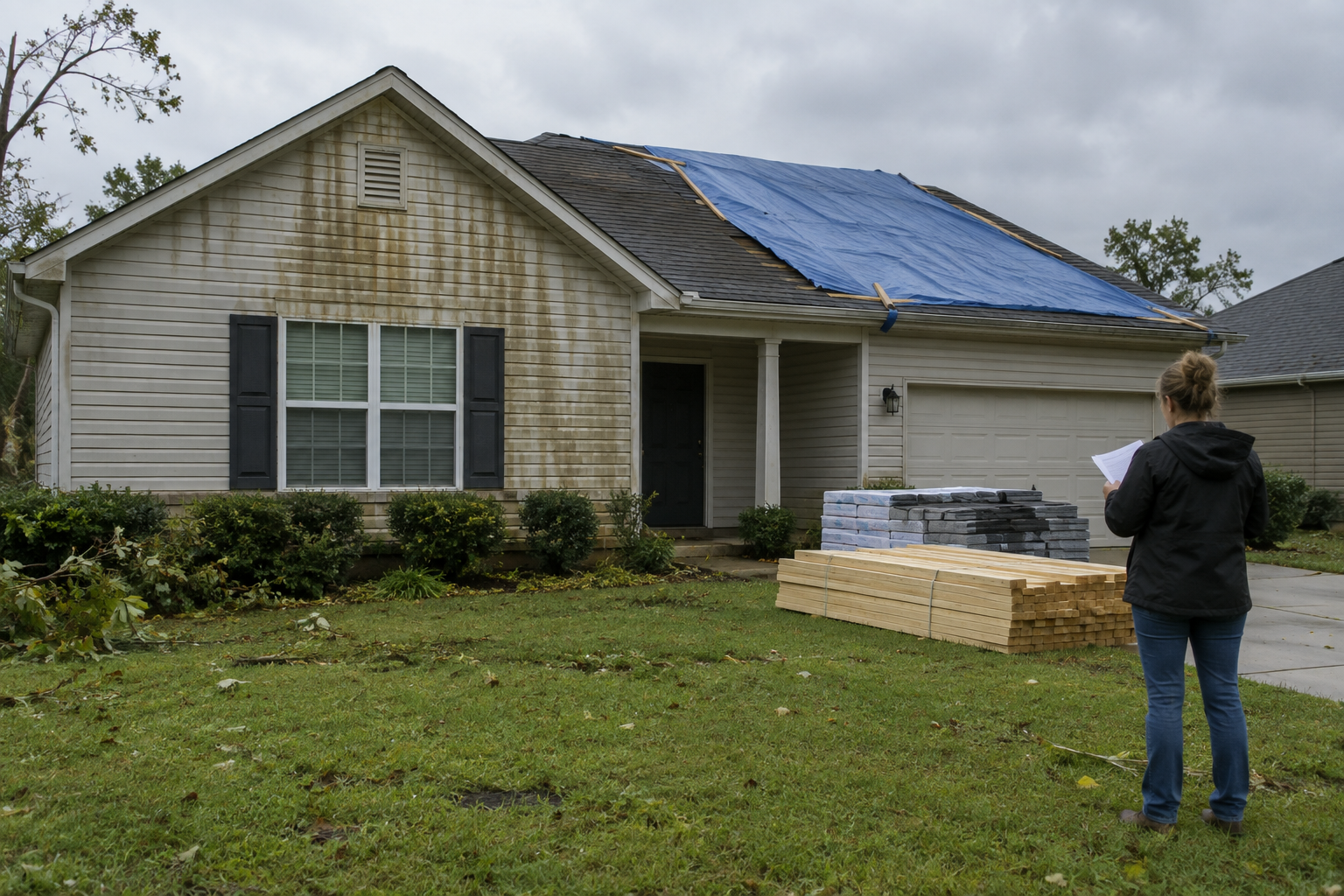
FEMA assistance can stabilize a household after a declared disaster, but it is not designed to pay for a complete rebuild. The agency’s Individual Assistance program addresses serious, unmet needs and cannot duplicate insurance or other benefits. FEMA also states that its grants are not intended to return a damaged home to its pre-disaster condition.

Call for a free estimate:
That gap can be substantial after floodwater, wind, fire, or structural damage affects the home’s foundation, framing, electrical system, finishes, and personal property at the same time. A sound recovery plan usually combines insurance proceeds, FEMA aid when available, financing, state or local programs, and nonprofit support. Each source has its own eligibility rules and documentation requirements.
Why do FEMA grants rarely cover a full home rebuild?
Federal disaster grants are a basic safety net for eligible households, not a replacement-value settlement for the house and everything in it. Under the FEMA Individuals and Households Program, housing assistance may address needs such as temporary housing, repair, replacement, or direct housing in certain circumstances, while Other Needs Assistance may address particular disaster-related expenses.
Eligibility and the amount awarded depend on the applicant’s verified loss, insurance status, occupancy, ownership, and the type of assistance available for that disaster declaration. FEMA assistance cannot pay expenses already covered by an insurer, a charitable organization, another government agency, or another source. That anti-duplication rule prevents double payment, but it also means homeowners need a complete record of every payment, denial, and unmet repair item.
A FEMA repair award may make a dwelling safer or more functional without paying for upgraded finishes, replacement of every damaged item, or work beyond the program’s eligible scope. A large contractor estimate and a smaller FEMA award are therefore not necessarily evidence of an error. They often measure different things.
Read every determination letter closely before treating the award as final. The letter identifies the assistance category and may explain what information FEMA still needs. If the decision does not reflect documented damage, ownership, occupancy, insurance settlement, or another material fact, the household can use FEMA’s appeal process described in its notice and application materials.
What funding should homeowners pursue after FEMA assistance?
Insurance proceeds should be resolved first because they are usually the primary source for covered losses. Homeowners insurance, flood insurance, wind coverage, and endorsements can have different deductibles, exclusions, limits, and documentation rules. Request the insurer’s written scope of loss and compare it line by line with contractor estimates, photographs, and receipts rather than relying on a verbal description of coverage.
For uninsured or underinsured physical damage, an SBA disaster loan may be the largest federal financing option available to an owner-occupant. The U.S. Small Business Administration’s physical damage loan program says homeowners may borrow up to $500,000 to repair or replace real estate and up to $100,000 for personal property, subject to program requirements and the applicant’s ability to repay. A loan adds a monthly obligation, so it is not a substitute for grant aid. It can, however, finance eligible repair work that FEMA cannot fully fund.
Do not assume an SBA application is pointless because you prefer a grant. In some disaster areas, completing the application can be part of the path to identifying other assistance, while a denied or reduced loan decision may document an unmet need for another program. The specific process changes by declaration, so use the current disaster application instructions rather than guidance from an older event.
State, county, city, and tribal programs are the next place to look. These programs may use federal recovery money, local appropriations, charitable funds, or housing-repair funds. Their availability, waiting lists, income limits, property requirements, and covered work vary widely. A program that pays for roof repair may not cover mold remediation, code upgrades, appliances, or temporary housing. Obtain the written program guidelines before signing a construction contract that assumes public funds will pay the balance.
When long-term federal recovery funding is allocated to a state or local government, the U.S. Department of Housing and Urban Development’s Community Development Block Grant Disaster Recovery program requires the grantee to publish an action plan describing who may be served and how funds will be used. Search the relevant state or local disaster-recovery office for that action plan, application notices, and deadlines. CDBG-DR is not an automatic direct grant for every homeowner, and the locally published rules control access.
Which specialized programs can fill narrower recovery gaps?
Some assistance is tied to the property’s use or the owner’s circumstances, so it should be treated as a targeted option rather than general rebuild money. Farm operators and owners of eligible agricultural land may have a route to restore qualifying conservation-related damage, while certain rural homeowners may qualify for a separate repair program.
Help for agricultural land and farm infrastructure
The USDA Farm Service Agency Emergency Conservation Program may provide cost-share assistance to eligible agricultural producers to rehabilitate farmland or restore conservation practices damaged by a natural disaster. The program can address qualifying damage such as debris removal, grading, shaping, or restoring fences and conservation structures, subject to local approval and available funding.
It is not a general homeowner rebuilding grant. A damaged residence on a farm does not by itself make house repairs eligible under this program. Producers should contact their county FSA office before beginning work that may need prior authorization, then keep records that separate farm recovery costs from residential repairs.
Repair options for qualifying rural homeowners
Very-low-income homeowners in eligible rural areas may have access to loans or grants through the USDA Rural Development Section 504 Home Repair program. USDA describes loans for repairs, improvements, and removal of health and safety hazards, and grants for qualifying older homeowners who cannot repay a loan. This is a needs-based housing program with eligibility conditions, not an emergency payment available to every disaster survivor.
For a home in a rural area, it is worth checking the property’s eligibility before ruling this out. A Section 504 loan or grant may be useful for a narrow repair scope that remains after insurance and disaster assistance, but it should not be budgeted until USDA confirms eligibility and funding.
How can nonprofits and community funds help with recovery?
Long-term recovery groups can connect households with case management, donated materials, volunteer labor, accessibility work, and small-gap assistance, but they cannot promise a full reconstruction budget. National Voluntary Organizations Active in Disaster, commonly called National VOAD, describes long-term recovery groups as local collaborations that coordinate recovery resources after the emergency response phase.
Volunteer labor may reduce the cost of clearing debris, removing damaged finishes, completing minor repairs, or restoring an accessible route, depending on the organization’s capacity and project rules. It should not be treated as a replacement for licensed work where permits, engineering, electrical work, plumbing, or structural repairs require qualified professionals. Ask the organization what work it can approve, whether it supplies materials, and who carries responsibility for permits and inspections.
Community foundations, faith-based organizations, local United Way offices, and municipal relief funds may offer limited aid after a major event. Funds often prioritize households with limited income, older adults, people with disabilities, or documented gaps after all other aid. Apply promptly, but avoid paying an application fee to anyone promising access to charitable funds.
Keep one recovery file, in paper and digital form, with photographs, insurer correspondence, FEMA notices, contractor estimates, invoices, permits, proof of occupancy, proof of ownership, and a list of money received from every source. The same documents are commonly needed for appeals, loans, grant applications, and nonprofit case management.
Call for a free estimate:
How should you build a realistic disaster recovery budget?
A useful recovery budget separates the cost to make the home safe and habitable from the cost to fully restore it. Begin with a written scope that identifies urgent stabilization, code-required work, structural repairs, systems repair, finish work, and replacement of personal property. Combining these categories into one round number makes it harder to match each funding source to an eligible expense.
Get detailed, written estimates that identify materials, labor, permits, allowances, exclusions, and change-order terms. A vague estimate can conceal missing work, while an unusually low price may exclude permits, disposal, electrical repairs, or finish restoration. For substantial structural, flood, or fire damage, ask whether the scope requires an engineer, local inspection, elevation requirements, or other code-related work before construction starts.
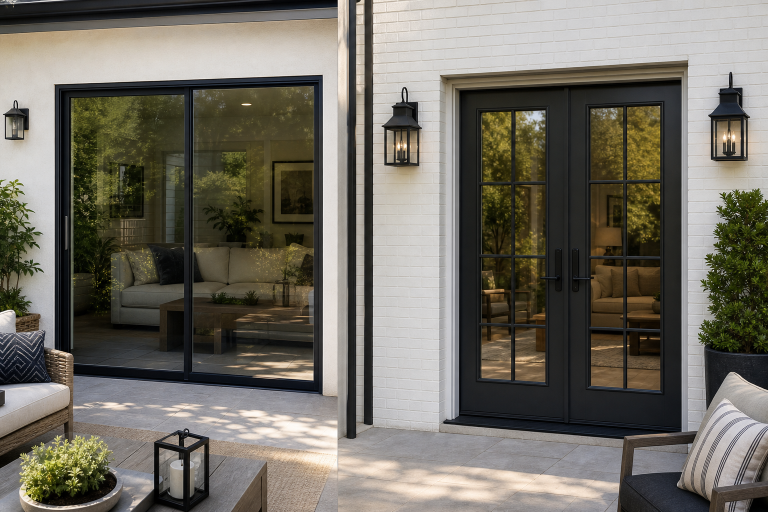
Permit obligations are local, and reconstruction can trigger requirements that a cosmetic repair would not. Before committing to a contractor or a financing amount, review the applicable local process. This guide to door and window permit requirements explains why the project scope and local jurisdiction matter when work changes an opening or building component.
- List each damaged component and the evidence supporting the claimed loss.
- Record insurance proceeds, FEMA assistance, loans, donated materials, and charitable aid separately.
- Mark which funds are restricted to a specific purpose or repair category.
- Reserve a documented contingency for conditions hidden behind walls, floors, or damaged exterior materials.
- Do not sign a contract that assigns benefits or commits grant funds before you understand its cancellation, payment, and change-order terms.
The cheapest path is sometimes targeted repair, phased work, or temporary housing while funding is assembled. Full replacement is appropriate only when the documented scope, local requirements, and available funding support it.
What should you do before hiring a disaster-recovery contractor?
Written scope, licensing verification, insurance confirmation, permits, and payment terms should be settled before major work begins. Disaster conditions can attract contractors who use broad promises, unclear allowances, or pressure to sign immediately. A legitimate proposal should make it possible to see what is included, what is excluded, and what changes would cost.
Ask whether the contractor will provide an itemized estimate, who will obtain permits, whether subcontractors will be used, and how change orders must be approved. Compare more than one written proposal when the property is stable enough to do so. Do not treat a FEMA determination or insurer estimate as a construction contract, since neither necessarily includes every item a contractor must price.
For flood-related damage, safety comes before budgeting. Do not restart electrical or HVAC equipment exposed to floodwater until an appropriate qualified professional has evaluated it. The practical checks in this flood safety guide for HVAC systems explain why equipment condition and safe restart decisions need separate attention.
For additional help, please contact a listed specialist for a free, no-obligation discussion.
FAQ
Can FEMA pay to rebuild my house exactly as it was?
No, FEMA states that Individual Assistance is not intended to restore a home to its pre-disaster condition. Eligible aid may address serious, unmet disaster-related needs, while a complete rebuilding budget may require insurance, financing, local programs, and other support.
Do I have to accept an SBA disaster loan?
No, applying for a loan does not require you to accept an approved offer. Review the loan amount, interest rate, repayment term, collateral requirements, and monthly payment before deciding whether the financing fits the remaining repair gap.
Can charitable groups pay for all disaster repairs?
Usually, charitable assistance addresses a defined unmet need rather than every reconstruction cost. Local long-term recovery groups can explain available volunteer work, materials, case management, and grant support, but funding and project capacity vary by community and disaster.
Can I use FEMA money and insurance money for the same repair?
No, federal disaster assistance cannot duplicate insurance benefits or other payments for the same loss. Use separate records for each source and disclose insurance settlements, charitable aid, and public assistance when an application asks for them.
Sources: National VOAD, Long-Term Recovery Guide.
If your repair scope and available aid still do not align, ask a local disaster-recovery office or qualified housing counselor for help identifying the programs and documentation that fit your specific property.