Low-E Glass Explained: Reasons It Can Be Worth the Extra Cost
Low-E glass is window glass with a microscopically thin coating that helps control heat transfer, and for many homes it is worth paying extra when comfort, energy performance, and sun exposure are real concerns.

Call for a free estimate:
That simple definition matters more than the marketing around it. Many homeowners hear the term during a window quote and get only a vague promise that it is the “better glass.” The useful question is narrower: what the coating actually does, what tradeoffs come with it, and when the upgrade changes performance enough to justify the price.
According to the U.S. Department of Energy, low-emissivity coatings reduce the amount of infrared and ultraviolet light that passes through glass without minimizing the amount of visible light that enters the home. The DOE also explains that these coatings can be tailored for different climates and performance goals.
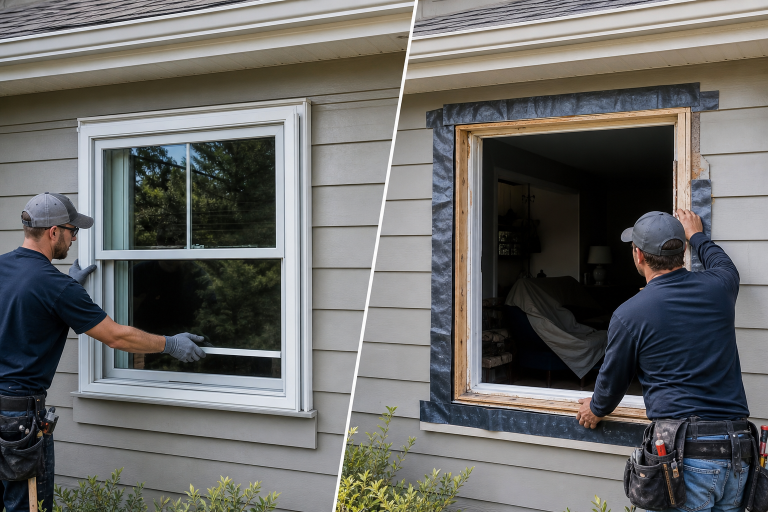
If you are comparing replacement options, it also helps to understand the frame and installation side of the job. Abodence covers that separately in insert vs full-frame window replacement and how to vet door and window installers before you buy.
What is Low-E glass, in plain English?
A nearly invisible metallic coating on the glass surface reflects heat energy in a controlled way while still letting daylight through.
“Low-E” stands for low emissivity which is a material’s ability to radiate heat. The lower the emissivity, the less radiant heat the surface gives off. In a window, that coating helps keep indoor heat inside during colder weather and helps reduce solar heat gain during hotter weather, depending on the product design.
According to ENERGY STAR, window performance is commonly described with measurements such as U-factor, which reflects how well a window prevents heat from escaping, and Solar Heat Gain Coefficient, which measures how much solar radiation comes through. Low-E coatings are one of the main tools manufacturers use to improve those ratings.
How does Low-E glass actually work?
Radiant heat is the target, so the coating is designed to reflect specific heat energy rather than block all light.
Sunlight includes visible light, infrared energy, and ultraviolet energy. The low-E coating is engineered to manage those parts differently. The coating reduces infrared and ultraviolet transmission while still allowing visible light through. That is why a room can stay bright without taking on as much unwanted heat.
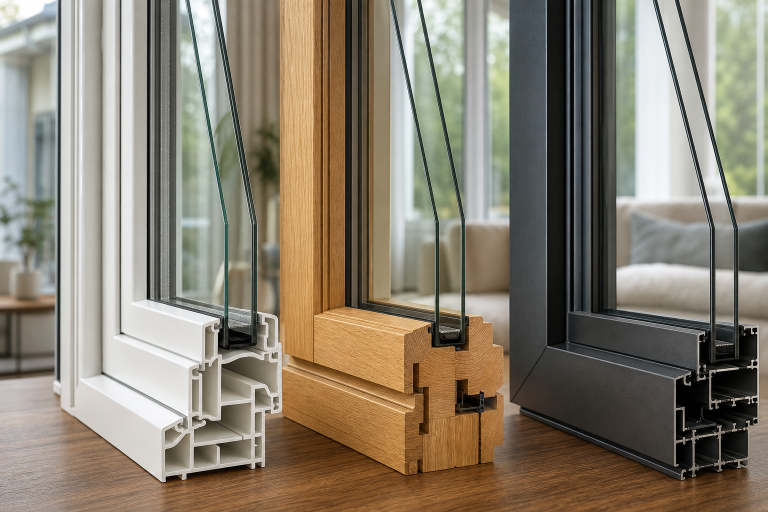
Most modern residential low-E products are used in insulated glass units, which are sealed assemblies with two or sometimes three panes. The coating may be placed on a protected interior-facing glass surface within that sealed unit. Cardinal Glass Industries, in its published residential glass performance literature, explains that coating placement affects how a unit handles solar gain and heat retention.
There are also different coating types. Vitro Architectural Glass, in its homeowner guidance on low-E coatings, distinguishes between passive low-E products that can allow more beneficial winter solar heat and solar-control low-E products that are designed to limit stronger solar gain. Which one makes sense depends heavily on climate and window orientation.
Is Low-E glass worth the extra cost for most homes?
For many replacement projects, the upgrade is worth it because low-E glass is now standard or near-standard in better-performing windows rather than a rare premium add-on.
The answer depends on what you are buying and what problem you are trying to solve. If your current windows create hot rooms, cold drafts near the glass, or fading on sun-exposed furnishings, low-E glass addresses issues tied directly to heat and UV transmission. If your real problem is air leakage from old sashes, failed weatherstripping, or poor installation, the coating alone will not fix that.
A cheaper solution can be the right one when the existing windows are still sound. The Efficient Windows Collaborative notes in its consumer guidance that storm windows, air sealing, and other targeted improvements can improve performance in some situations without full replacement. If the frame is in good shape and the issue is mostly comfort near older glass, a full premium package may not be necessary.
Where low-E usually earns its keep is in long-term use. Better glass performance can improve comfort every day, reduce UV exposure on interior finishes, and support lower heating or cooling demand. Exact savings vary too much by climate, orientation, existing window condition, and HVAC use to give a single universal number without oversimplifying the decision.
How much extra does Low-E glass usually cost?
The added cost is often modest within a full window quote, but the exact range is usually bundled into the manufacturer’s glass package rather than listed as a simple line item.
Window manufacturers and dealers often price low-E as part of a broader insulated-glass configuration that may also include argon gas, upgraded spacers, and tempered or laminated options. Because of that packaging, a homeowner should expect the real comparison to be between complete window specifications, not between plain glass and coated glass alone.
For the larger project context, Remodeling magazine’s 2024 Cost vs. Value Report lists national average replacement window project costs in the thousands of dollars depending on product type and scope, which is why even a relatively small per-window glass upgrade can add up across a whole house. Pella and Andersen product literature both show that low-E options are integrated into performance tiers rather than sold as a universal flat surcharge.
The practical move is to ask each bidder to identify the exact glass package by name and performance label. Without that, you cannot tell whether one quote is cheaper because it may use a different coating, a different spacer, or be a weaker overall unit.
Which Low-E glass type makes sense in hot, cold, or mixed climates?
Climate-appropriate coatings usually matter more than simply choosing the most expensive glass package on the menu.
Call for a free estimate:
In hot climates, lower Solar Heat Gain Coefficient values are often useful because they reduce unwanted solar heat. In cold climates, some windows are designed to allow more passive solar gain while still improving insulation. Mixed climates often call for a balanced approach rather than an extreme one in either direction.
According to the National Fenestration Rating Council, homeowners should compare certified labels for U-factor, Solar Heat Gain Coefficient, Visible Transmittance, and air leakage when available. Those ratings let you compare products on a consistent basis instead of relying on broad sales language.
Orientation matters too. West-facing and south-facing windows often take the strongest sun exposure, so rooms on those sides of the home may benefit most from solar-control coatings. A shaded north-facing opening may not justify the same package.
What labels should you compare?
The most useful starting point is the NFRC label because it gives standardized performance numbers across brands.
- U-factor: Lower numbers mean less heat loss.
- Solar Heat Gain Coefficient: Lower numbers mean less solar heat entering the home.
- Visible Transmittance: Higher numbers generally mean more daylight comes through.
- Air Leakage: When listed, lower numbers indicate less air infiltration.
What benefits does Low-E glass offer beyond energy performance?
Comfort and interior protection are often the benefits homeowners notice first, even before utility savings show up.
Glass with a low-E coating can reduce the sensation of standing next to a very hot or very cold window because the interior glass surface temperature is moderated compared with less efficient glass. The International Window Film Association and major insulated-glass manufacturers both describe this comfort effect as a result of reduced radiant heat transfer.
Low-E coatings also reduce ultraviolet transmission. The Department of Energy states that these coatings reduce UV light passing through the glass, which can help protect flooring, fabrics, and furniture from sun-related fading. That does not mean complete fade prevention, because visible light, heat, and material quality also affect fading, but it is a legitimate performance benefit.
Are there downsides or tradeoffs with Low-E glass?
Some low-E packages can slightly change the look of the glass and may reduce beneficial winter solar warmth if the coating choice is too aggressive for the climate.
This is where broad claims about “best glass” break down. A stronger solar-control coating can be excellent for a hot, sunny exposure and less appealing where winter sun is desirable. Some products also have a subtle tint or reflectivity, though appearance varies by manufacturer and coating family.
Another tradeoff is cost stacking. Homeowners are sometimes quoted a bundle that includes low-E, gas fill, upgraded spacers, laminated safety glass, custom color, and premium hardware, then told the entire jump in price is because of the glass. Often it is not. The quote needs to separate those choices clearly.
Low-E glass also does not replace the need for good installation. A high-performance unit installed poorly can still leak air or water around the frame.
How can you tell whether a quote includes Low-E glass?
The quote should identify the window series, the exact glass package, and the certified performance ratings rather than relying on generic terms.
Ask for the NFRC values and the manufacturer’s product literature for that specific unit. If one contractor says “double-pane low-E” and another names a full package with U-factor and Solar Heat Gain Coefficient, the second quote is easier to verify. Vague wording is a common problem in window sales because it makes unlike products look comparable.
Use one checklist and stick to it when comparing bids:
- Manufacturer and product series
- Double-pane or triple-pane configuration
- Exact low-E glass package name
- Gas fill, if included
- NFRC ratings
- Tempered or laminated glass, if required or chosen
- Installation scope, including trim and flashing details
- Warranty terms for glass, frame, and labor
When is Low-E glass most worth paying for?
Sun-exposed rooms, comfort complaints near windows, and whole-home replacement projects are the situations where the upgrade usually has the clearest value.
Homes in very warm, very cold, or mixed climates often benefit because the windows are working against outdoor conditions for much of the year. Older homes with clear double-pane or single-pane glass can also see a more noticeable difference than homes that already have reasonably modern insulated units.
On the other hand, a low-use basement room, a shaded side of the house, or a project where the main problem is rotten framing may call for spending money elsewhere first. If the budget is tight, it can make more sense to prioritize the most exposed elevations rather than upgrading every opening to the highest glass package available.
FAQ
Does Low-E glass make a room darker?
Many products still allow plenty of daylight, because the coating is designed to reduce infrared and ultraviolet transmission more than visible light. The exact brightness depends on the product’s Visible Transmittance rating, which should be listed on the NFRC label.
Call for a free estimate:
Can you see the Low-E coating on a window?
Most coatings are subtle, though some glass packages have a faint tint or slightly more reflective appearance. Manufacturer sample glass or showroom displays are the best way to judge the look before ordering.
Is Low-E glass the same as double-pane glass?
No, the coating and the pane count are different features. Many efficient windows combine double-pane or triple-pane construction with low-E coatings, but one does not automatically guarantee the other.
Does Low-E glass stop furniture from fading?
It helps reduce one major cause of fading by limiting ultraviolet transmission, but it does not eliminate fading completely. Visible light, heat, and the material itself also affect how quickly fabrics and finishes change over time.
Should every replacement window have Low-E glass?
Most homeowners should at least consider it, because modern efficient window packages commonly include low-E as part of standard performance. The better question is which coating type fits your climate and sun exposure, not whether the term itself sounds premium.
If you are comparing window proposals and need help sorting real performance differences from sales language, please call one of the listed specialists for a free, no-obligation discussion.
Sources: ENERGY STAR, Cardinal Glass Industries residential glass literature, Vitro Architectural Glass low-E guidance, Efficient Windows Collaborative, Remodeling magazine Cost vs. Value Report 2024, Pella product literature, Andersen product literature, International Window Film Association