Roof Replacement Cost Guide: Pricing by Home Size
Roof replacement cost usually lands in the mid-thousands to low five figures for many homes, but your actual price depends most on roof size, roof complexity, material choice, and local labor rates. For a practical starting point, the 2024 Remodeling Cost vs. Value Report lists an asphalt shingle roof replacement at $30,680 nationally, while a metal roof replacement is listed at $49,928, and those figures reflect a standardized project rather than every home size or roof shape. A smaller, simple one-story roof can come in well below that benchmark. A larger or steeper roof with multiple valleys, skylights, or tear-off layers can exceed it.

Call for a free estimate:
If you are trying to budget a full replacement, the best approach is to use home size as a first filter, then adjust for the parts of the job that contractors actually price: roofing squares, tear-off, deck repairs, flashing details, underlayment, ventilation work, and disposal. If you want a broader look at timing and project flow, Abodence also covers roof replacement timeline and what tends to happen before, during, and after installation.
How much does a full roof replacement cost by home size?
Most homeowners can use broad size bands to estimate a realistic budget before getting quotes. The ranges below assume a full replacement on a typical sloped residential roof with asphalt shingles, including tear-off and standard installation components, but excluding major structural repairs. They are planning ranges, not fixed bids.
Using 2024 national benchmark data from Remodeling magazine’s Cost vs. Value Report and 2025 estimating guidance published by Homewyse for asphalt shingle roofing, a reasonable planning range looks like this:
- 1,000-1,500 square foot home: about $8,000-$14,000
- 1,500-2,000 square foot home: about $10,000-$18,000
- 2,000-2,500 square foot home: about $12,000-$22,000
- 2,500-3,000 square foot home: about $15,000-$27,000
- 3,000-4,000 square foot home: about $18,000-$35,000
Those numbers rise if you choose metal, designer shingles, tile, slate, or premium synthetic materials. They also rise if the roof has a steep pitch, complex geometry, multiple penetrations, or damaged decking that has to be replaced after tear-off.
One important detail often gets missed: home square footage is not the same as roof square footage. A two-story 2,400 square foot house often has less roof area than a one-story 2,400 square foot ranch. Contractors price roofing by the roof itself, usually in squares, where one square equals 100 square feet of roof area.
Why can two homes of the same size get very different roof replacement quotes?
Roofing bids can vary by thousands of dollars because contractors are measuring the roof system, not just the living area inside the house. A similar-size home may need far more material and labor if it has dormers, hips, valleys, chimneys, skylights, or a steep walkability issue.
Roof pitch and complexity
Steeper roofs generally cost more because they are slower to work on and require more labor and safety setup. Complex roofs also create more cuts, more waste, and more flashing detail work. The National Roofing Contractors Association identifies slope, penetrations, drainage details, and flashing conditions as major parts of a proper roof system evaluation, which is why a quick drive-by estimate is often less reliable than an on-roof inspection.
Tear-off layers and disposal
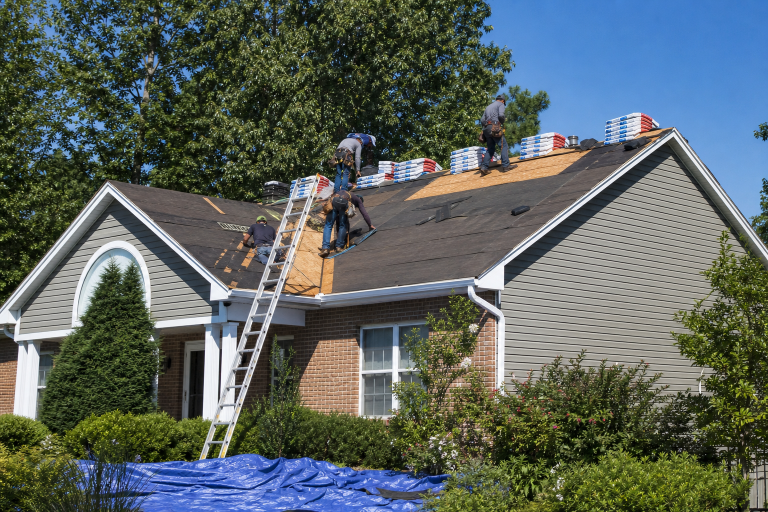
Removing one old layer costs less than removing multiple layers. Disposal fees also vary by region and by load size. Some quotes include dump fees clearly. Others bury them in a general line item, which makes side-by-side comparisons harder.
Deck condition
Wood sheathing under the shingles is not always fully visible until the old roof comes off. The APA, The Engineered Wood Association, publishes guidance on roof sheathing performance and replacement criteria, and contractors commonly treat deck repair as an allowance or per-sheet add-on because hidden damage cannot always be priced exactly in advance.
Material tier
Basic three-tab shingles, architectural asphalt shingles, standing seam metal, tile, slate, and synthetic products sit in very different price bands. If you want a material-by-material breakdown, see Abodence’s guide to roofing materials compared.
What does a full roof replacement quote usually include?
A solid proposal should spell out the full roof system, not just the visible shingle brand. According to the Federal Trade Commission, written contracts for home improvement work should clearly describe the work and materials, and that principle is especially important on roofing because vague scope is a common source of disputes.
Look for these items in the written quote:
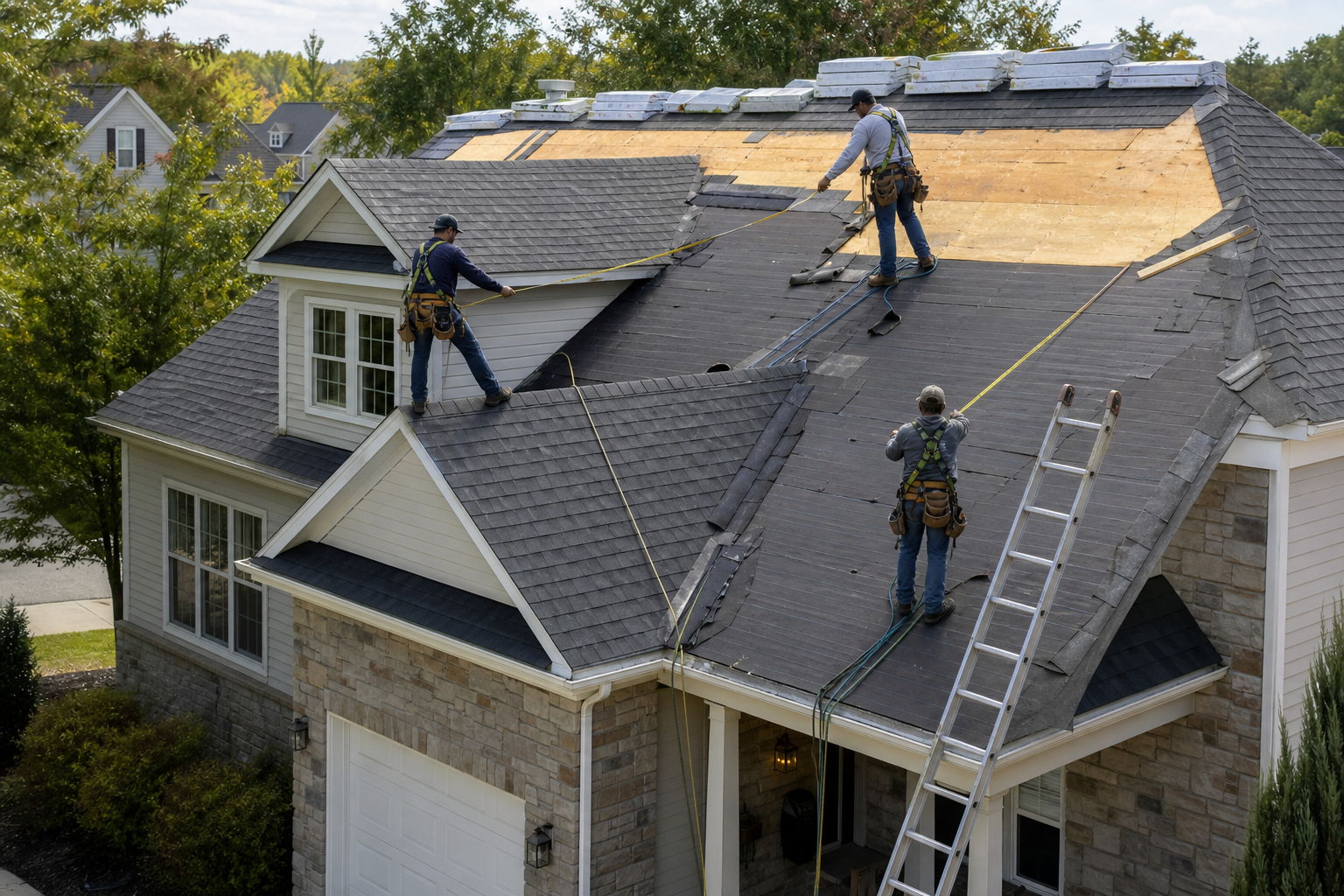
- Tear-off of existing roofing
- Deck inspection and the unit price for any sheathing replacement
- Underlayment type
- Ice and water barrier where required by code or manufacturer instructions
- Starter shingles, ridge cap, and field shingles
- Flashing details at walls, chimneys, valleys, and penetrations
- Ventilation components
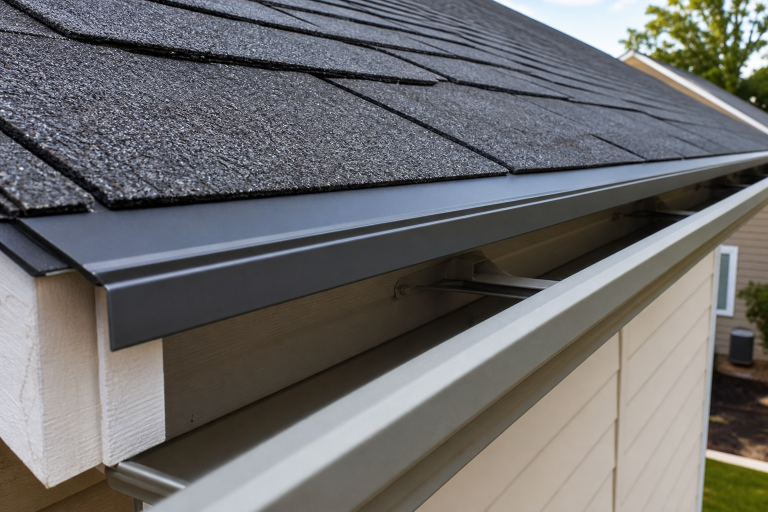
- Drip edge and edge metal
- Cleanup, magnetic nail sweep, and debris disposal
- Workmanship warranty terms
- Manufacturer product and system warranty terms
Warranty language deserves special attention because some enhanced manufacturer warranties depend on specific accessory products and approved installation methods. Abodence breaks that down in roof warranty terms explained.
How do contractors calculate roof replacement cost from home size?
Most roofers start with measured roof area, then add the labor and material factors that affect installation difficulty. The result is much more precise than multiplying your interior square footage by a flat number.
Roofing squares
One roofing square equals 100 square feet of roof surface. A house with a 2,000 square foot footprint may need more than 2,000 square feet of roofing once pitch, overhangs, and design features are measured. Waste is then added for cuts and layout.
Unit pricing
Estimating sources such as Homewyse publish per-square-foot and project-level cost ranges for asphalt roofing based on labor, material, and disposal assumptions in 2025. Contractors use their own local production rates, supplier pricing, and overhead, but the basic structure is similar: measured area plus tear-off plus accessories plus complexity adjustments.
Code and manufacturer requirements
Local code can affect ventilation, ice barrier coverage, fastening, and re-roof limits. The International Residential Code sets widely adopted baseline requirements for roof assemblies, though your local jurisdiction may amend them. Manufacturer installation instructions can also control warranty eligibility, even when the local code minimum is less demanding.
Call for a free estimate:
What are realistic 2026 costs for popular roofing materials?
Asphalt shingles remain the most common lower-cost replacement option, while metal, tile, and slate usually move the project into a higher budget category. Based on the 2024 Remodeling Cost vs. Value Report, published manufacturer product positioning, and 2025 marketplace estimating data from Homewyse and Angi, these are reasonable planning ranges for full replacement on a typical home:
- Asphalt shingles: about $8,000-$22,000 for many standard homes
- Metal roofing: about $18,000-$50,000 or more
- Clay or concrete tile: often $20,000-$50,000 or more, depending on structure and region
- Slate: often $30,000 and up, with some projects far higher
The cheaper option is often the sensible one here. If your current roof design, neighborhood norms, and long-term plans point to architectural asphalt shingles, moving to a premium material does not automatically improve value enough to justify the jump.
For resale context, the 2024 Remodeling Cost vs. Value Report shows that homeowners do not typically recover the full project cost at sale. That does not make replacement a bad decision. It means the project should be evaluated first as a durability and water-management need, then second as a resale feature.
How much of the total price is labor versus materials?
Labor and tear-off often make up a large share of the total, especially on steep or cut-up roofs. Material upgrades matter, but many quote differences come from crew time, safety setup, flashing detail work, and local disposal costs rather than from the shingle bundle alone.
The Bureau of Labor Statistics tracks roofing labor classifications and regional wage variation through its Occupational Employment and Wage Statistics program, which helps explain why the same roof system can price differently across markets. A roof in a high-cost metro area should not be judged against a quote from a lower-cost region.
Which add-ons are worth paying for, and which ones deserve a closer look?
Depending on the local environment, ice barrier, proper flashing replacement, and ventilation corrections are often worth paying for because they affect how the roof system performs, not just how it looks. By contrast, some upgrades are mostly aesthetic or only make sense in specific climates and house designs.
Usually worth it
New flashing at vulnerable transitions, code-appropriate underlayment, and clearly specified ventilation work are practical line items. GAF, Owens Corning, and CertainTeed all publish system-based installation documents showing that accessories are part of the roof assembly, not optional decoration.
Worth verifying before you agree
Premium branded package upgrades, impact-resistant upgrades in areas without hail exposure, and cosmetic add-ons should be weighed against your actual goals. If the quote adds a large amount for a feature that does not address a known problem, ask what measurable benefit it provides and whether it affects warranty coverage.
How can you compare roof quotes without getting lost in the details?
Three written quotes with matching scope is the practical standard for comparison. The [U.S. Department of Housing and Urban Development](https://www.hud.gov/topics/home_improvements) advises homeowners to get multiple estimates for home improvement work, and roofing is exactly the kind of project where that protects you from vague pricing and missing scope.
Use one simple checklist when you compare bids:
- Same tear-off scope
- Same material category and product line
- Same underlayment and flashing assumptions
- Same treatment of decking repairs
- Same ventilation scope
- Same cleanup and disposal terms
- Clear workmanship warranty language
- Clear payment schedule
A low bid is not automatically wrong. It may reflect lower overhead, a simpler schedule, or a narrower scope. The problem is when the lower number leaves out items the higher quotes included.
When is a full replacement the right call instead of a repair?
A full replacement makes the most sense when the roof is broadly worn, has repeated leak areas, or needs enough patching that repair no longer solves the underlying problem. If the issue is isolated and the rest of the roof is in serviceable condition, a repair may be the smarter use of money.
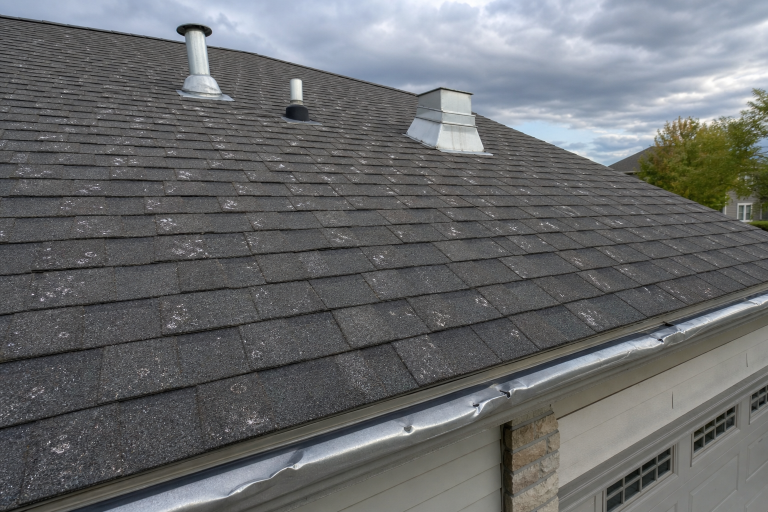
The Asphalt Roofing Manufacturers Association and major shingle manufacturers distinguish between localized damage and system-wide aging in their homeowner guidance. If only a small section is damaged, paying for a full replacement too early may not be justified. If the roof has widespread granule loss, brittle shingles, recurring flashing failures, or multiple prior repairs, replacement becomes easier to defend financially.
For immediate leak situations, the priority is limiting damage and getting a roofer on site, not guessing from inside the attic. Abodence covers that separately in urgent roof leak guidance.
What mistakes raise roof replacement cost more than homeowners expect?
Waiting too long, comparing mismatched quotes, and focusing only on shingle brand are three of the most expensive mistakes. Each one tends to hide scope problems that show up later as change orders or avoidable damage.
Delaying after clear failure signs
Water entry can turn a roofing job into a roofing-plus-sheathing-plus-interior-repair job. Once deck damage spreads, the project cost usually moves well beyond the original roof-only budget.
Accepting vague contract language
Unclear wording around deck replacement, flashing reuse, and ventilation work often leads to disputes. If the quote does not say what happens when damaged decking is found, ask for the unit cost in writing before signing.
Assuming bigger always means better
A more expensive material is only useful if your home, climate, budget, and ownership horizon support it. For many households, a well-specified architectural shingle roof is the right answer.
Call for a free estimate:
What is the best way to budget for your own roof size?
Start with a home-size planning range, then adjust for roof shape, material, and likely deck repairs. That gives you a budget that is close enough to plan around without pretending an online calculator can replace a site visit.
A good working method is simple. Use the size ranges in this article to set a base budget. Add room for complexity if your roof has steep sections, skylights, chimneys, or many valleys. Keep a separate contingency for decking repairs because that line item is often discovered during tear-off. Then collect three written quotes with matching scope.
If you are pricing a full roof replacement and want help making sense of bids, warranty terms, or whether repair is still a reasonable option, please call a listed specialist for a free, no-obligation discussion.
Sources: Remodeling magazine Cost vs. Value Report 2024, Homewyse, National Roofing Contractors Association, APA, The Engineered Wood Association, GAF, Owens Corning, CertainTeed, Asphalt Roofing Manufacturers Association, Bureau of Labor Statistics