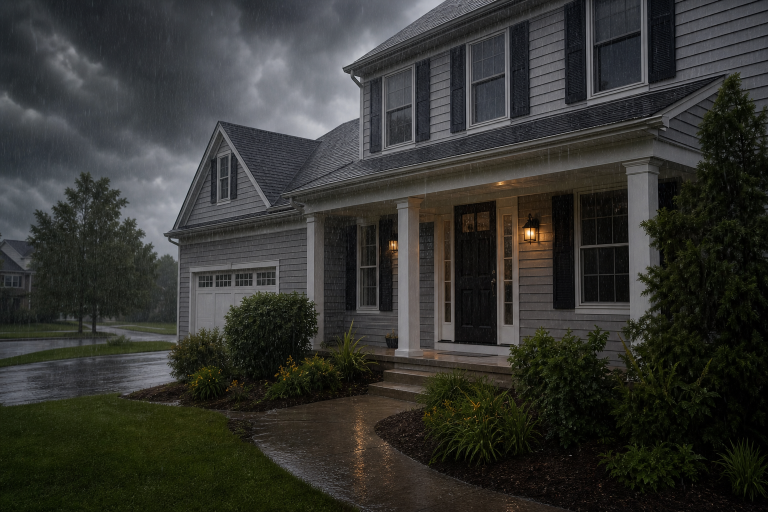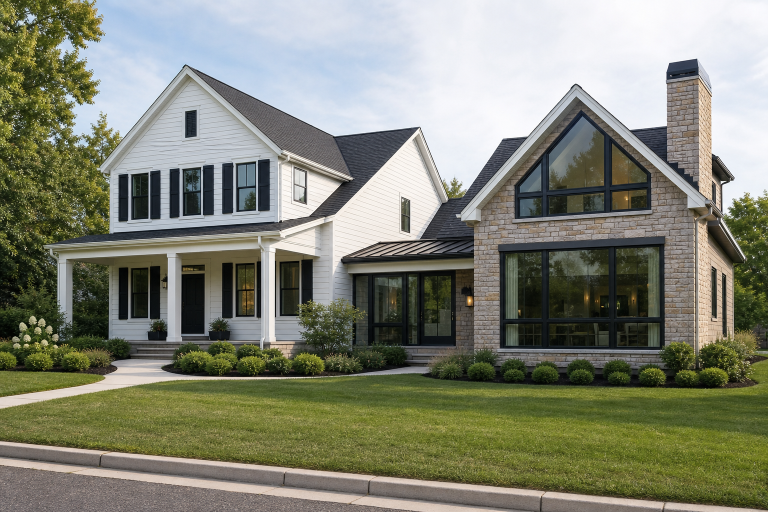
Hurricane Resistant High-Efficiency Window Upgrades
Triple-pane windows with low-E coatings and argon fill can reduce heat transfer through the glass, but those energy features alone do not establish hurricane resistance. A logical upgrade decision separates thermal performance from storm certification, then verifies both on the exact window configuration proposed for the home.

Call for a free estimate:
What does a high-efficiency hurricane window need to do?
A well-specified replacement window needs documented energy ratings, a frame and glazing system suited to the opening, and storm-test documentation that meet or exceed the local jurisdiction requirements. Hurricane performance ratings indicate whether the window unit is certifified to withstand the expected wind pressure and impact conditions.
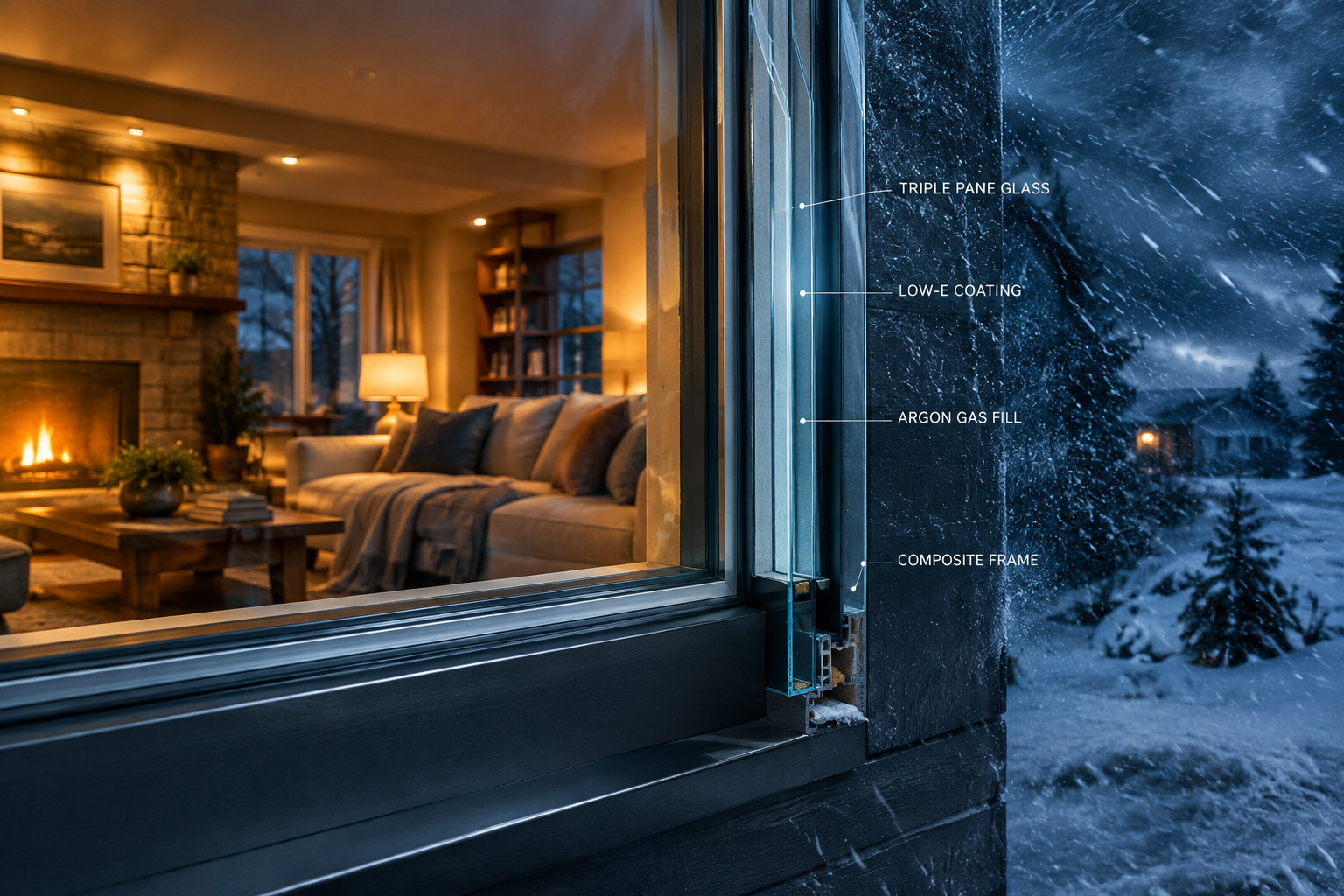
The U.S. Department of Energy explains that low-emissivity coatings reduce radiant heat transfer, while gas fills such as argon are used between panes to improve insulation. Those features can improve the thermal performance of insulated glass units, particularly when paired with a low U-factor. They are not a substitute for an impact rating, reinforced frame, approved hardware, or installation details.
Installing storm resistant windows does not erase the need to inspect the surrounding wall condition. Failed sealant, deteriorated sheathing, damaged trim, or an unsuitable existing opening can make a simple insert replacement the wrong solution. The distinction between an insert and a full-frame project is covered in this guide to insert versus full-frame window replacement.
How do triple-pane glass, low-E coatings, and argon improve efficiency?
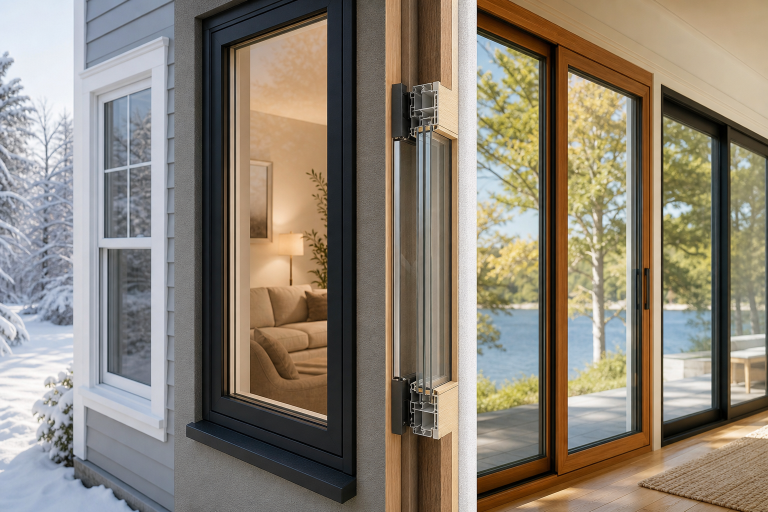
Three panes create two sealed spaces, which can reduce conductive heat flow compared with a comparable two-pane unit. The benefit, however, depends on the complete window rather than pane count alone. Glass coatings, spacer design, frame material, sash construction, air leakage, window size, and installation quality all affect the result.
According to the U.S. Department of Energy’s window and door guidance, U-factor measures how well a window prevents heat from escaping, and lower values indicate better insulating performance. Solar heat gain coefficient, or SHGC, measures how much solar heat passes through a window. Lower SHGC reduces solar gain, while a higher value may be desirable where winter solar gain is a design goal.
Low-E is a transparent microscopic coating placed on a glass surface within the insulated unit. Its location and formulation affect the balance between insulation, solar control, and visible light. “Low-E” alone is therefore not a complete performance specification. Ask for the proposed unit’s labeled U-factor, SHGC, visible transmittance, and air-leakage result where it is reported.
Argon is an inert gas commonly sealed between panes. It supports the insulating function of the glass package, but it cannot be evaluated by looking at the window after installation. The practical protection is a manufacturer warranty that states the coverage for insulated-glass seal failure, along with a clear process for a claim.
Triple-pane glass can make sense when the labeled whole-window U-factor is materially better than the alternatives being quoted and when the added weight, cost, frame depth, and available impact approval work for the opening. If a two-pane impact unit meets the required storm approval and offers suitable ratings for the home’s climate, it may be the more sensible purchase.
For a closer look at the energy side of that comparison, see this review of triple-pane windows and energy bills.
What actually makes a window hurricane resistant?
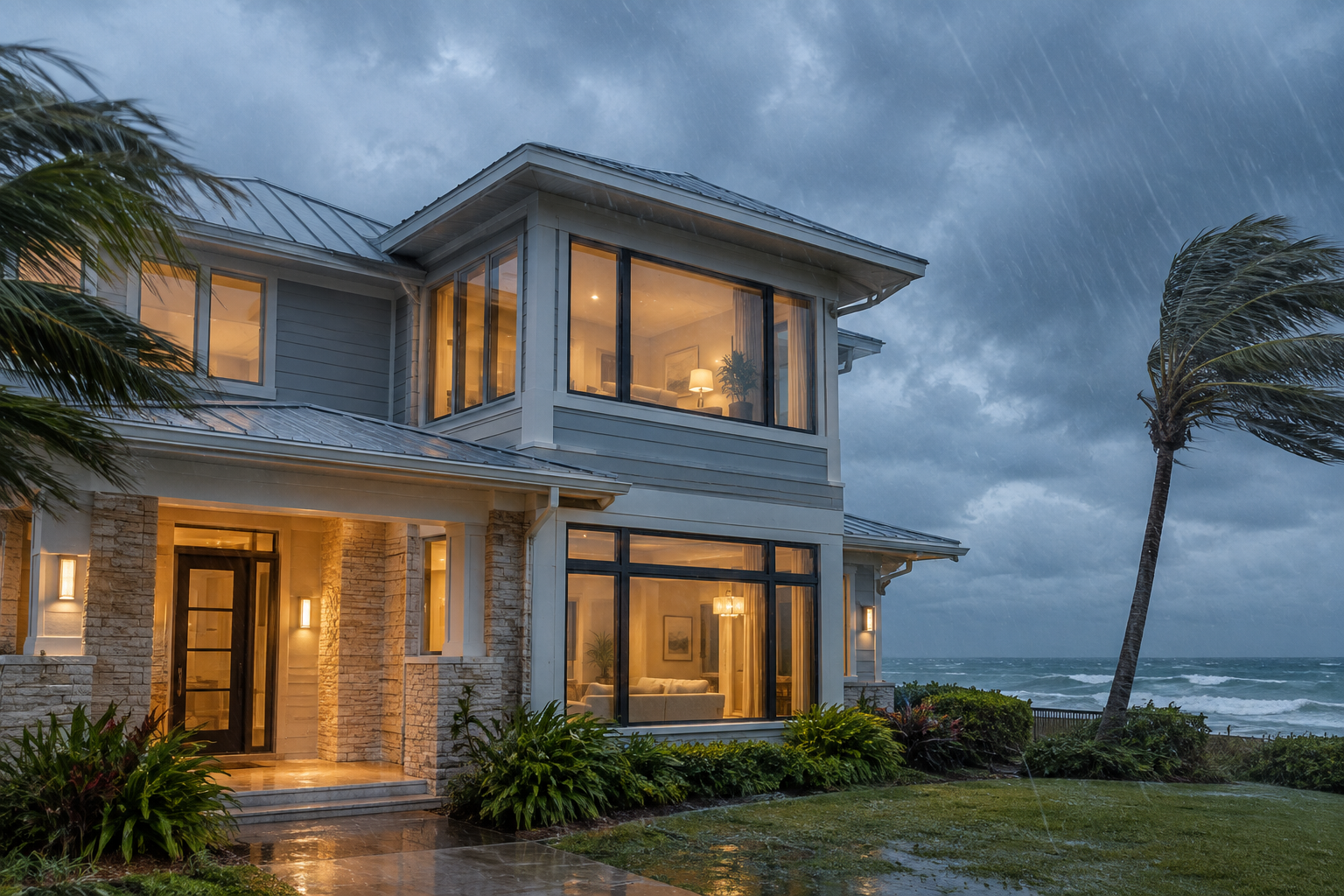
Hurricane resistance comes from a tested and approved system, including its glass, frame, sash, locks, anchors, and installation details. The window must resist design wind pressure, and impact-rated systems are intended to address debris impact followed by pressure cycling under the applicable test protocol.
ASTM International publishes ASTM E1886, a test method for performance of exterior windows, curtain walls, doors, and impact protective systems subjected to missile impacts and cyclic pressure. ASTM E1996 supplies specifications for performance of exterior windows, curtain walls, doors, and impact protective systems impacted by windborne debris in hurricanes.
Local building rules determine whether impact protection is required, what design pressures apply, and which product approvals must be accepted. Requirements can differ by location, exposure, elevation, opening size, and building type. The applicable building department, permit documents, and a product’s local approval record should control the selection, not a generic statement that a window is “hurricane proof.”
Why laminated glass changes the storm discussion
Impact glazing commonly uses laminated glass, which bonds layers of glass around an interlayer. In an approved impact system, the glazing is intended to remain in the frame after the tested event even if the glass is damaged.
Windborne-debris protection is also different from better insulation. A triple-pane unit may be energy efficient without an impact approval. An impact-rated unit may use a glass package selected primarily for code-required performance rather than the lowest available U-factor. A product can provide both outcomes, but the documentation must show both.
Which labels and documents should you compare before buying?
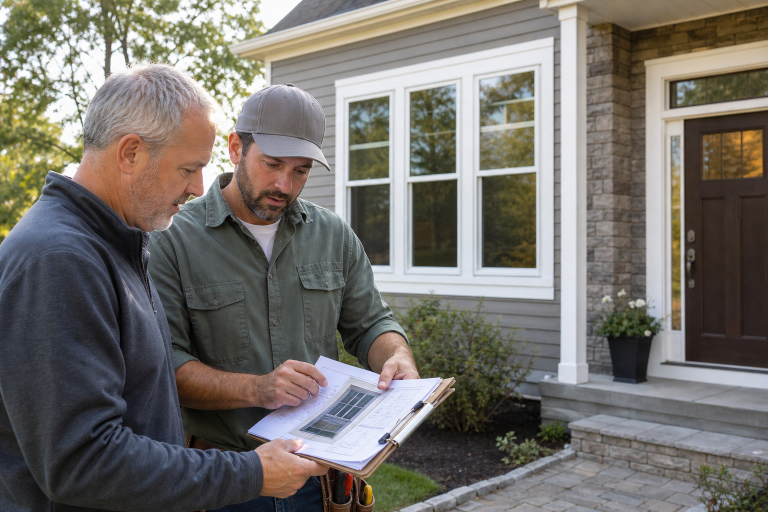
The most useful comparison starts with a written schedule that identifies every opening and connects each unit to its ratings and approval documents. The National Fenestration Rating Council, or NFRC, provides the rating system used on residential window labels for U-factor, SHGC, visible transmittance, and air leakage where applicable. Its label lets you compare whole-window thermal and solar results instead of relying on a description of the center glass alone.
- Request the NFRC label or certified rating data for each proposed product line and glass option.
- Request the manufacturer’s specific impact-test report, product approval, or notice of acceptance that applies where the project is located.
- Confirm positive and negative design-pressure ratings for the proposed size and configuration, rather than a rating from a smaller display unit.
- Ask the installer to identify the anchoring pattern, fasteners, substrates, sealants, flashing approach, and any limits on installation conditions.
- Read the written warranties separately for glass breakage, insulated-glass seal failure, frame finish, hardware, installation labor, and storm damage.
Keep those records with the permit file and final invoice. They are more useful than marketing terms if you later need to confirm what was installed, seek warranty service, or document the work for a buyer or insurer.
Quotes often become hard to compare because one proposal lists a window series while another lists only broad features such as “impact glass” or “triple pane.” Ask each bidder to specify the same opening count, sizes, product series, glass package, removal method, trim work, permit responsibility, and repair allowances. That exposes a scope difference before it becomes a change order.
Where do the financial benefits come from?
The financial case rests on lower heating and cooling demand, avoided future replacement work, and the value of meeting applicable storm requirements in one project. Energy Star publishes climate-zone criteria for qualifying windows, doors, and skylights, reflecting the fact that the same glass package does not suit every part of the country equally. A lower U-factor may carry more weight in heating-dominated conditions. Solar control can carry more weight in hot, sunny locations. An installer or seller should be able to show the labeled values rather than treating triple-pane construction as a stand-alone financial calculation.
Call for a free estimate:
Do not count a possible insurance discount unless the insurer provides it in writing for the address and exact product documentation. Policies and credits are insurer-specific, and a window’s impact label does not automatically establish a premium reduction. Likewise, resale value is too dependent on local market conditions to use as a guaranteed return figure.
The clearest financial comparison is often between complete proposals. Put the full installed price beside the storm documentation, energy ratings, warranty terms, repair scope, and expected disruption. A lower initial quote that omits permits, flashing repairs, disposal, interior finishing, or required approval documents can become the more expensive project once those items surface.
When is a simpler window upgrade the better choice?
A less expensive option may be appropriate when existing frames are sound, local rules do not require impact protection, and a properly rated two-pane window meets the home’s thermal and comfort goals. Spending more on triple-pane glazing is difficult to justify if its additional U-factor improvement is small for the climate or if the project leaves known water-management problems unaddressed.
Existing draft issues also deserve a careful diagnosis. Air movement may come from failed weatherstripping, trim gaps, a poorly sealed rough opening, or an aging window unit. Repairing a localized air-sealing issue can be a practical first step when the window itself remains serviceable. This guide to drafty window repair options explains the common places to investigate.
Replacement becomes easier to justify when the current units have failing insulated glass, deteriorated frames, persistent operational problems, or documented storm-performance shortcomings. Even then, select the replacement around the project’s required approval and measured performance, not around a single feature advertised as premium.
FAQ
Are triple-pane windows automatically hurricane resistant?
No. Triple-pane construction describes the glass arrangement and insulating spaces, while hurricane resistance depends on the tested and approved complete window system for the required location and installation.
Does argon gas make a window stronger against impacts?
No. Argon supports thermal insulation within a sealed glass unit. Impact capability comes from the approved glazing construction, frame, hardware, anchoring, and tested configuration.
What rating should a homeowner use to compare energy efficiency?
NFRC U-factor and SHGC provide a practical starting point because they describe whole-window heat transfer and solar heat gain. Compare values for the same window size, operation type, and glass option, then consider visible transmittance and air leakage where reported.
Can an impact-rated window be installed as an insert?
Sometimes, but the answer depends on the manufacturer’s approved installation method, the existing frame condition, local requirements, and the product approval for that opening. An insert approach cannot be assumed to preserve a rating that requires a different anchoring or frame arrangement.
If you are comparing proposals, ask for a written window schedule that pairs each opening with its NFRC ratings, storm documentation, installation scope, and warranty terms before requesting a quote or assessment. Please call a listed specialist for a free, no-obligation discussion.