The Essential Checklist for Safe and Effective Pest Control in Homes With Children
Pest control is an essential part of maintaining a healthy, comfortable home. However, when there are children in the household, it becomes crucial to ensure that any pest management strategy is not only effective but also safe for the youngest members of your family. This comprehensive guide will walk you through the safest pest control treatments, practical prevention methods, and offer a step-by-step checklist to protect your home and children from unwanted intruders — without compromising on safety.

Why Child-Safe Pest Control Matters
Many traditional pest control methods involve chemicals that can pose health hazards to children, especially infants and toddlers who are more susceptible to toxic exposure. Even small amounts of certain pesticides can have adverse effects, from skin irritations to respiratory problems and developmental issues. As a result, it’s vital to adopt a pest control approach that’s effective yet prioritizes child safety.
Understanding Child-Safe Pest Control Options
There are several ways to address pest problems while keeping your home safe for children. These methods focus on prevention, non-toxic treatments, and targeted professional interventions when necessary.
Non-Toxic and Natural Solutions
- Diatomaceous Earth: This naturally occurring powder is harmless to humans and pets but lethal to insects with exoskeletons. It works by dehydrating pests like ants, cockroaches, and fleas.
- Essential Oils: Certain essential oils like peppermint, eucalyptus, and tea tree oil can repel insects. Use diluted sprays around entry points or problem areas (ensure oils are safe for children and pets).
- Boric Acid: Used correctly and placed out of reach, boric acid can target cockroaches and ants. Always opt for formulations approved for indoor, home use.
- Physical Barriers: Mesh screens, door sweeps, and caulking gaps prevent pests from entering your home.
Professional Child-Safe Pest Control
- Integrated Pest Management (IPM): This approach combines multiple strategies—inspection, monitoring, prevention, and targeted treatments—minimizing chemical usage.
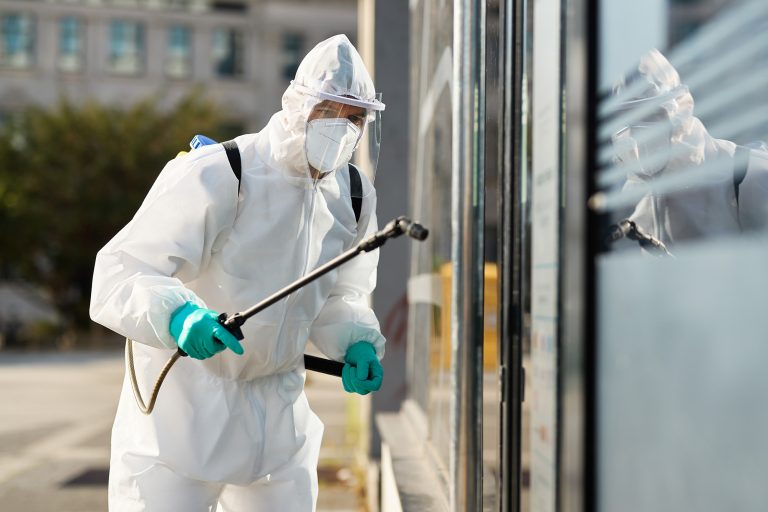
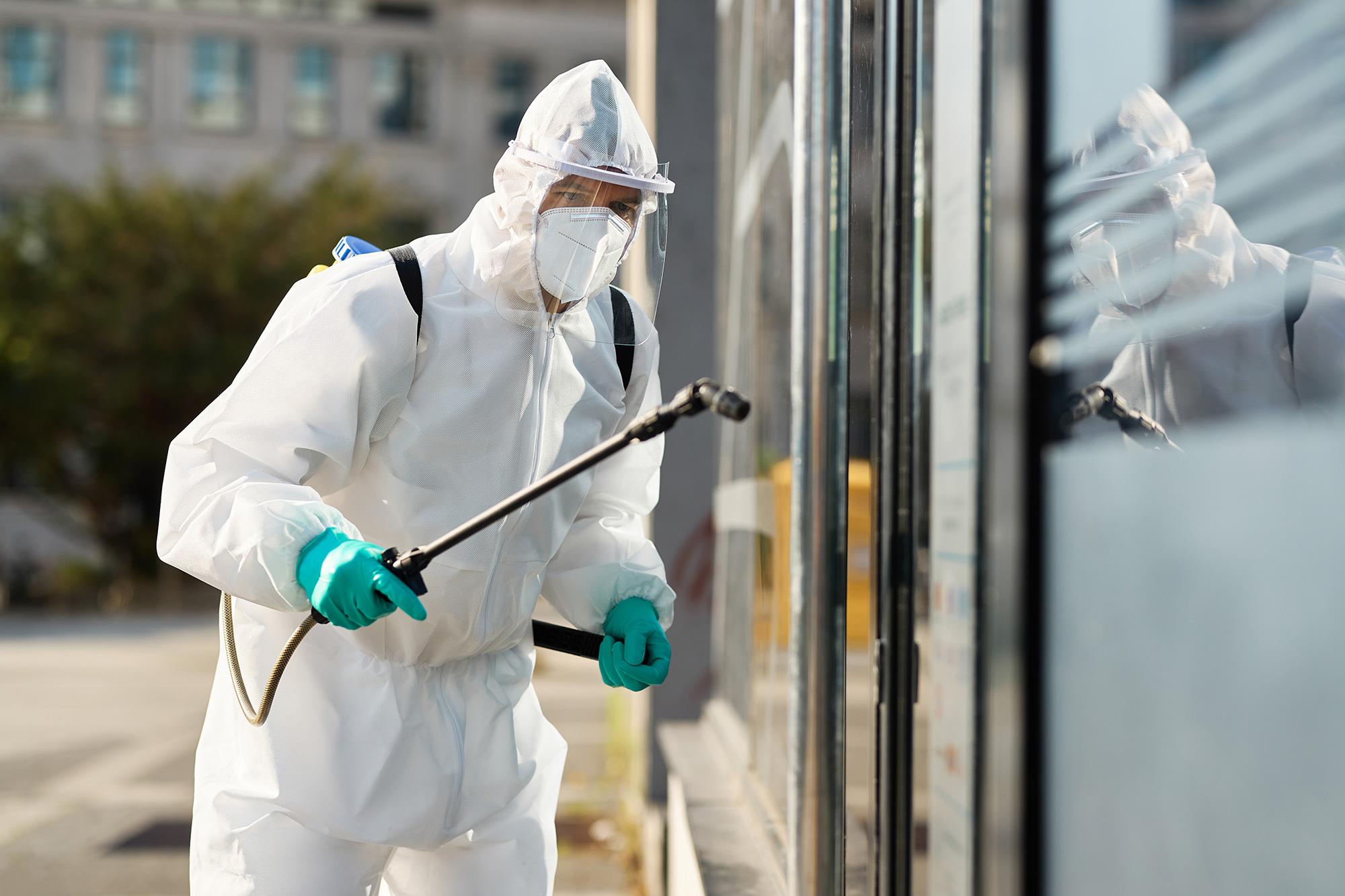
- Low-Toxicity Pesticides: If professional treatment is necessary, request child-safe products with a low toxicity profile. Reputable pest control companies offer these as standard for households with children.
- Application Timing: Schedule treatments when children are away from home, and ventilate rooms thoroughly before allowing them to return.
The Ultimate Child-Safe Pest Control Checklist
Follow this comprehensive step-by-step checklist to ensure your pest control efforts are both effective and safe for kids:
- Identify the Pest
- Look for signs of infestation (droppings, damage, sightings).
- Determine the pest species to choose the safest, most effective treatment.
- Eliminate Food and Water Sources
- Store food in airtight containers.
- Clean up spills and crumbs promptly.
- Fix leaky faucets and pipes to eliminate water sources.
- Seal Entry Points
- Install door sweeps and window screens.
- Seal cracks, gaps, and holes with caulk or steel wool.
- Deploy Non-Toxic Remedies
- Use diatomaceous earth in dry, undisturbed areas.
- Apply essential oil sprays in corners and entryways.
- Set up sticky traps in hidden spots (out of children’s reach).
- Regularly Inspect and Clean
- Vacuum and mop floors at least weekly.
- Empty trash bins daily and use lids.
- Check for signs of pests during routine cleaning.
- Consult Professionals for Persistent Problems
- Choose licensed pest control companies experienced with child-safe methods.
- Request Integrated Pest Management (IPM) and non-toxic treatments.
- Follow all safety instructions post-treatment before allowing children to return to treated areas.
Specific Child-Safe Solutions for Common Household Pests
Every pest requires a tailored strategy. Here’s how to handle some of the most common household pests in a child-safe manner:
Ants
- Wipe surfaces with a vinegar-water solution to disrupt scent trails.
- Use soapy water to kill ants on contact.
- Place diatomaceous earth in entry points and along baseboards, keeping it away from play areas.
Cockroaches
- Keep kitchen and bathroom areas dry and clean.
- Use bait stations secured in inaccessible locations.
- Apply boric acid in cracks and crevices, ensuring it’s inaccessible to children.
Spiders
- Remove webs regularly and reduce clutter.
- Apply peppermint oil spray to window sills and corners.
- Install window and door screens to prevent entry.
Rodents
- Seal all entry points larger than a quarter inch.
- Store food securely and keep pet food sealed.
- Use snap traps inside locked boxes to prevent access by children and pets.
Fleas
- Wash bedding and vacuum carpets frequently.
- Use food-grade diatomaceous earth on carpets and pet bedding, then vacuum thoroughly.
- Consult your veterinarian for safe flea control products for pets.
Safe Storage and Usage of Pest Control Products
Even with non-toxic and natural methods, proper storage and usage are essential to ensure safety:
- Keep all pest control products, including natural remedies, out of reach of children.
- Read and follow manufacturer instructions carefully.
- Store chemicals in their original containers with child-resistant lids.
- Dispose of unused or expired products safely and according to local regulations.
When to Call a Professional
If a pest problem persists or escalates beyond your control, it’s time to consult a professional pest management service. Choose companies that specialize in child-safe, eco-friendly treatments. Ask about their products, procedures, and safety guidelines for families with children.
Educating Your Family About Pest Safety
Prevention is most effective when everyone in the household is involved. Teach children not to touch traps, baits, or unknown substances. Encourage good habits like cleaning up after snacks, closing food containers, and alerting adults if they spot pests.
Conclusion: Achieving a Pest-Free, Child-Safe Home
Maintaining a pest-free home doesn’t have to mean exposing your family to harmful chemicals. By following this child-safe pest control checklist, using non-toxic methods, and involving professionals when needed, you can create a healthy environment where your children can learn and play safely. Remember, the key is vigilance, prevention, and informed action—so your home remains both comfortable and secure for everyone.