
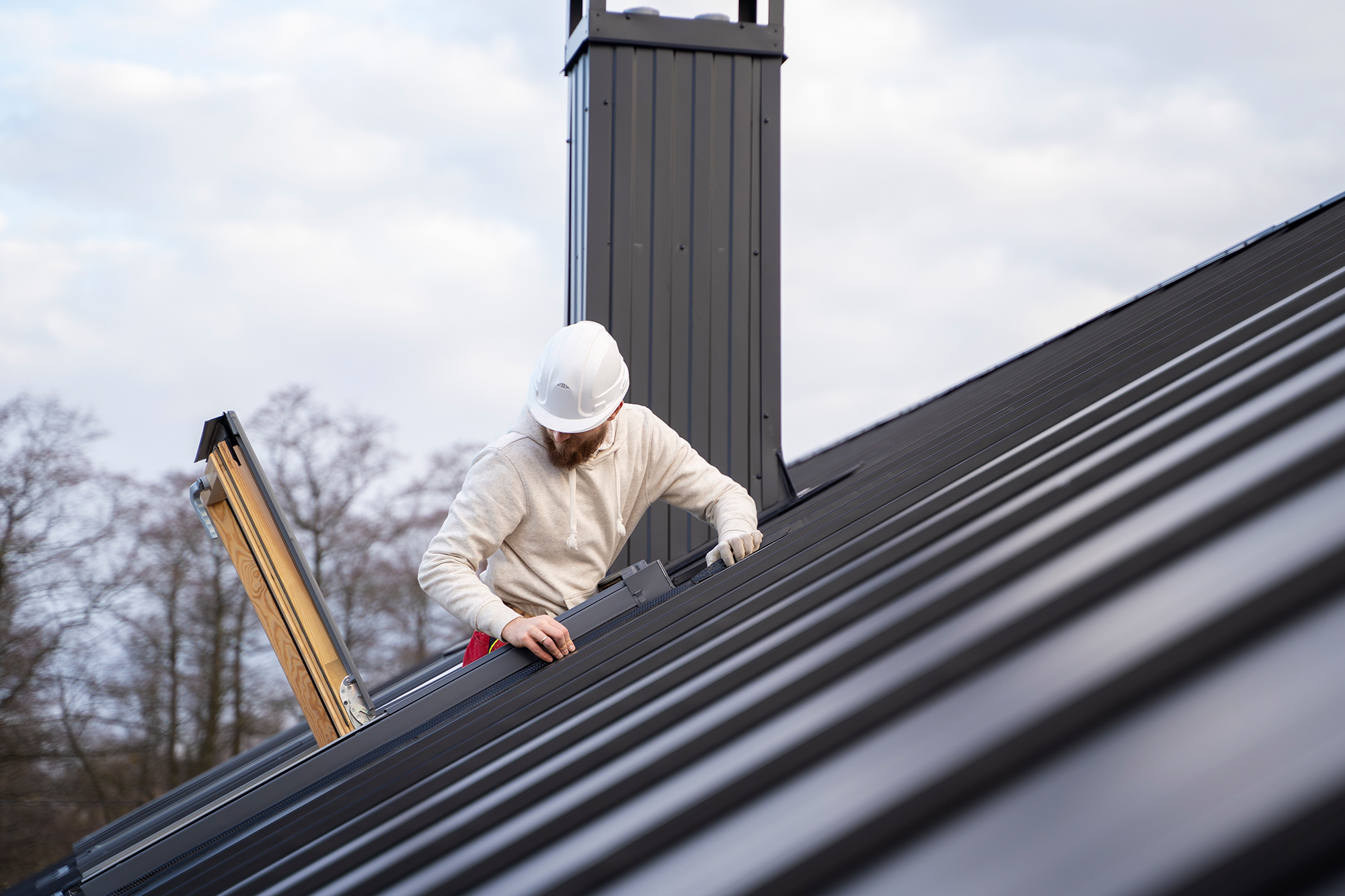
Understanding Roof Leaks: Causes, Warning Signs, and Why Homeowners Should Act Quickly
A roof leak is one of the most common and disruptive problems a homeowner can face. While it may begin as a small stain on the ceiling or a faint musty smell in the attic, the underlying issue is often far more complex than it appears. Roof leaks rarely happen overnight; instead, they develop gradually as materials deteriorate, environmental conditions shift, and structural components lose their integrity. Understanding the root causes of roof leaks is essential for preventing long‑term damage, maintaining the value of a home, and avoiding costly repairs.
This article explores the primary causes of roof leaks, the warning signs homeowners should never ignore, and the broader implications these issues can have on a home’s structure and safety. Solutions are mentioned only briefly, keeping the focus on the problem itself.
Why Roof Leaks Are More Serious Than They Seem
A roof is designed to be a home’s first line of defense against rain, wind, sunlight, and temperature fluctuations. When it fails, even slightly, water can infiltrate areas that were never meant to be exposed to moisture. Over time, this leads to structural weakening, mold growth, insulation damage, and deterioration of interior finishes.
Many homeowners underestimate the seriousness of a leak because the visible symptoms appear minor. A small stain on the ceiling may seem harmless, but it often indicates that water has already traveled through layers of roofing material, decking, insulation, and drywall. By the time the stain appears, the problem is usually well‑established.
Common Causes of Roof Leaks
Roof leaks can originate from a wide range of issues, some related to natural wear and others caused by external factors. Below are the most frequent causes.
1. Aging Roofing Materials
Every roofing material has a lifespan. Asphalt shingles, for example, typically last 20–30 years, while metal roofs can last 40–70 years. As materials age, they lose flexibility, become brittle, and develop cracks. Granules on shingles begin to fall off, exposing the underlying asphalt to UV rays and accelerating deterioration.
Older roofs are especially vulnerable to leaks because:
- Shingles may curl or lift, allowing water to seep underneath.
- Sealants around penetrations dry out and crack.
- Flashing corrodes or separates from adjoining surfaces.
- Underlayment becomes thin and loses its waterproofing ability.
Even if a roof looks intact from the ground, aging materials often hide deeper issues that only become visible during heavy rain or storms.
2. Damaged or Improperly Installed Flashing
Flashing is the thin metal material installed around roof joints, chimneys, skylights, vents, and valleys. Its purpose is to direct water away from vulnerable areas. When flashing is damaged, corroded, or improperly installed, water can easily penetrate the roof.
Common flashing problems include:
- Rust and corrosion from prolonged exposure to moisture.
- Loose nails or fasteners that allow movement.
- Gaps created by thermal expansion and contraction.
- Poor sealing around edges.
Because flashing is located in areas where water naturally flows, even a small defect can lead to significant leaks.
3. Clogged Gutters and Poor Drainage
Gutters play a crucial role in directing water away from the roof and foundation. When they become clogged with leaves, debris, or dirt, water can back up and pool along the roofline. This standing water can seep under shingles, saturate the fascia, and eventually enter the home.
Poor drainage also occurs when:
- Downspouts are blocked.
- Gutters are improperly sloped.
- Ice dams form during winter, preventing water from flowing.
Water that cannot drain properly will always find a path, and that path often leads into the home.
4. Storm Damage and High Winds
Severe weather is one of the most common triggers for roof leaks. High winds can lift shingles, break tiles, or dislodge flashing. Hail can crack roofing materials, leaving small but significant openings. Heavy rain can exploit weaknesses that were previously unnoticed.
Storm‑related leaks often appear suddenly, even on roofs that seemed to be in good condition. The problem is that storms can cause micro‑damage that is not visible from the ground, such as:
- Hairline cracks in shingles.
- Punctures from flying debris.
- Loosened fasteners.
- Displaced underlayment.
Without inspection, these issues can worsen over time.
5. Poor Roof Design or Installation
A roof may leak not because of damage, but because it was never installed correctly in the first place. Poor workmanship is a major contributor to roofing problems, especially in homes where contractors cut corners or use low‑quality materials.
Examples of design or installation flaws include:
- Incorrect shingle alignment.
- Insufficient overlap between roofing layers.
- Improperly installed valleys.
- Inadequate ventilation leading to moisture buildup.
- Incorrect slope for the roofing material used.
A poorly designed roof may function adequately for a few years, but eventually the flaws become apparent as leaks develop in multiple areas.
6. Cracked or Damaged Vent Boots
Vent boots are rubber or metal coverings that seal the area around roof vents. Over time, the rubber can crack due to UV exposure, temperature changes, or simple aging. Once the boot loses its seal, water can flow directly into the attic.
Vent boot issues are often overlooked because they are small components, but they are a frequent source of leaks.
7. Tree Damage and Overhanging Branches
Trees add beauty and shade to a property, but they can also pose a risk to the roof. Overhanging branches can scrape shingles, removing protective granules. Falling branches during storms can puncture roofing materials. Leaves can accumulate on the roof, trapping moisture and accelerating deterioration.
Roots are not the only problem; the constant presence of moisture from shade can also encourage algae and moss growth, which further weakens roofing materials.
8. Skylight Leaks
Skylights are popular for bringing natural light into a home, but they are also notorious for causing leaks. The problem usually arises from:
- Improper installation.
- Deteriorated seals.
- Cracked glass.
- Poor flashing around the frame.
Because skylights penetrate the roof, they create a natural weak point that requires careful sealing and maintenance.
9. Chimney Deterioration
Chimneys are another common source of leaks. Mortar can crack, bricks can absorb water, and flashing around the chimney can loosen. Water often enters through tiny gaps that expand over time.
Chimney leaks may appear as stains near the fireplace or along the ceiling adjacent to the chimney structure.
10. Roof Punctures and Foot Traffic
Walking on a roof can cause damage, especially if the roofing material is older or fragile. HVAC technicians, satellite installers, or even homeowners performing maintenance can accidentally crack shingles or tiles.
Animals such as raccoons, squirrels, or birds can also create punctures or lift shingles while searching for shelter.
Warning Signs of a Developing Roof Leak
Roof leaks often begin subtly. Recognizing early warning signs can prevent extensive damage.
1. Water Stains on Ceilings or Walls
These stains may appear yellow or brown and often indicate that water has already traveled through multiple layers of the home’s structure.
2. Musty Odors
A persistent musty smell usually means moisture is present, often in the attic or behind walls.
3. Peeling Paint or Bubbling Wallpaper
Moisture trapped behind surfaces causes adhesives to weaken and finishes to deteriorate.
4. Dripping Water During Rain
This is an obvious sign, but many homeowners ignore small drips, assuming they are temporary.
5. Mold or Mildew Growth
Mold thrives in damp environments and can appear on ceilings, walls, or attic surfaces.
6. Sagging Ceilings
This is a severe warning sign indicating that water has saturated the drywall or plaster.
7. Visible Roof Damage
Missing shingles, cracked tiles, or exposed underlayment are clear indicators that water may soon infiltrate the home.
The Hidden Consequences of Roof Leaks
Beyond the visible damage, roof leaks can create long‑term structural and health issues.
1. Structural Weakening
Water can rot wooden beams, weaken roof decking, and compromise the integrity of the home’s frame.
2. Insulation Damage
Wet insulation loses its effectiveness, increasing energy costs and reducing indoor comfort.
3. Electrical Hazards
Water near electrical wiring or fixtures can create dangerous conditions.
4. Mold Growth
Mold can spread quickly, affecting indoor air quality and posing health risks.
5. Decreased Property Value
A home with a history of roof leaks often faces lower appraisal values and reduced buyer interest.
Brief Overview of Possible Solutions
While the focus of this article is on the problem, here are general solutions without going into deep detail:
- Replace damaged shingles or tiles.
- Repair or replace flashing.
- Clean gutters and improve drainage.
- Seal cracks around vents, skylights, and chimneys.
- Remove overhanging branches and debris.
- Improve roof ventilation.
- Conduct regular roof inspections.
- Replace aging roofing materials when necessary.
These solutions vary depending on the severity of the leak and the condition of the roof.
Conclusion
Roof leaks are more than just an inconvenience—they are a warning sign that a home’s protective barrier is failing. Understanding the causes, recognizing early symptoms, and appreciating the seriousness of the issue can help homeowners act before the damage becomes extensive. While solutions exist for every type of leak, the key is identifying the problem early and addressing it promptly.
A roof is one of the most important components of a home. When it begins to fail, the consequences can spread far beyond the surface. By staying informed and vigilant, homeowners can protect their investment, maintain structural integrity, and ensure their home remains safe and comfortable for years to come.